Hello everyone! There’s a bunch of deals for video games and books so I hope that Golden Week has been good to you. Starting off with some language immersion tips that I got from Chad Zimmerman and how I took on one of them.
Check out Conan throwing a baseball in the biweekly article. If Detective Conan’s not your style then, I’ll be talking about an anime in What’s in a Title. And lastly a new Pokemon Nuzlocke begins. With that being said, let’s continue.
Used to express two actions being done at the same time. The first action brought up in the sentence is then followed up with the second.
When using 間に, one of the actions are usually shorter than the other. Like brushing your teeth while listening to the radio.
間 by itself is used to express two actions taken place in the same time period.
On another note, this grammar can also be used to show a relationship between things. I’ll try to make it easier in the sentences so you can see the difference.
(The delivery driver was able to deliver a package while my roommate was out.)
Ex: 長い間働いたあとで、帰ってゲームをしたいです。
(After a long day at work, I want to go home and play video games.)
Ex: 暇な間、やりたいことをしたほうがいいですよ。
(You should do what you want while you have free time.)
Ex: 直太くんが留守の間に、家を片付けた。
(While Naota was out, we cleaned up the house.)
Ex: 彼の意見は、日本語能力と勉強した時間の間には密接な関連があるということだった。
(His opinion is that there is a close relation between Japanese ability and time spent studying.)
[を中心に]
focused on, centered on
This means to focus on something or have it be the center of something. After を中心に、 it is common to end it with either する or とする (including した・して and とした・として respectively).
N + を中心に N +を中心として N +を中心とした N +を中心とする
Ex: ねぇ、聞いてる。地球はお前を中心として回ってないよ。
(Hey did you hear? The world doesn’t revolve around you.)
Ex: このノベルはゲーマーカップルを中心とする。
(This novel focuses on a gamer couple.)
N3 動詞/N3 VERBS
左右する さゆうする left and right;to assert (control, dominance, influence)
左=left 右=right
This verb is straightforward. It can be used with a verb to mean something is done in both directions. Like Killua saying that someone is coming (来る)from left and right(左右). You can also find it in sentences like:
左右を見る=Look left and right
However there is another way to use this as a verb. With する, you can make it a verb to mean to affect the outcome of something. Like winning or losing a game. Or the daily battle in a bakery that Cocoa has to deal with (more so on Chino’s part of course).
And if you use the passive form of する, which is される, it can mean to depend on or to subject to. Like Koro sensei’s abilities with his tentacles depends on his mental state. Or how a D-mail works.
A good way to understand this second meaning is probably to imagine someone moving a thing left and right. They are “controlling” how it moves.
Conan Throws a Wild First Pitch at the Giants Game! Even Giabitt Couldn’t Catch it…
Conan Edogawa, the main character from the popular manga “Detective Conan”, was threw the first pitch of the Yomiuri Giants and the Hanshin Tigers game at Tokyo Dome on April 29th.
Donning the number “2022” uniform Conan took the field where he was greeted with a grand applause from the stands. The Giant’s Mascot Giabitt appeared as the catcher, which created a unique battery between the two costumed players.
However, the pitch Conan threw with all his might missed the batter’s box by a large margin. In another sense, the crowd went wild.
Conan’s good at soccer in the manga but, even though they are similar, he might not be good at baseball.
In Japanese the word “球技” means ball game. It is usually referenced to sports like baseball, soccer, and tennis. I wouldn’t really say they are similar but man seeing Conan throw this baseball was funny.
I’m not really into sports but when I was saw that photo of someone in a Conan costume I just had to check this out for myself.
kaz: When I was waiting to go eat out I took a look at this and was disappointed. Conan’s been very active, so I don’t get it. The recent broadcasts seem to not have no pizazz to them, as if they have lost their way. TV has past it’s prime so it can’t be helped. Then again it doesn’t matter since I don’t watch it but it’s piss poor.
men: I bet Amuro Touru could do it. “I’ll do it, old man!”
匿: To be able to throw it that far in that costume is amazing.
身勝手のコクい: The live-action Conan isn’t just mature on the inside but on the outside too, huh.
tak: How much field of vision do they have in that costume?
I can see why the first comment was down voted so much. Just… wow. Nonetheless, this was a fun article to translate.
対話/DIALOGUE
Looks like Hibiki and Rei has some advice for Kyuusei.
Hibiki: It’s been a while, Rei. How’s your adventure going?
Rei: It was fun. I’m relaxing with Inazuma and the others at home. I’m playing Mario right now. I’ll probably on a another adventure later.
Hibiki: Alright. Oh, who’s this guy?
Kyuusei: Yo. The name’s Kyuusei. Nice to meet ya. I’m going to be a Pokemon trainer so if you guys have any advice, it’d be appreciated.
Hibiki: Don’t get carried. ※Got carried away a lot during his adventure※
Rei: Strategy. ※Regrets his battle with Koga※
Kyuusei: Uh… that’s it. Hey, guys. Do you know a trainer named Red. I think I want to be like him. (*Stepped on a land mine*)
Rei: I’m from a different world so I don’t know ’em. That name’s a bit… right, Hibiki, ugh- (Oh crap, Hibiki’s face is scary…)
Hibiki: Don’t say that guy’s name!
Rei: Uh… sorry about that. Hibiki and Red are kinda…
Kyuusei: Ah, I gotcha. You didn’t lose to him, right Hibiki?
Hibiki: Yeah. I beat him.
Kyuusei: Then I’ll do that, too. See ya.
Rei: Hey, wait- and he’s gone. Hey, Hibiki, he’s gonna be alright, right?
Hibiki: Beats me. It’s up to him to figure that out.
タイトルを見る/WHAT’S IN A TITLE
#8『露壬雄と監督生』
露壬雄(ロミオ)
The interesting thing about kanji is that you could even make your own name from it. Well as long as it is a reasonable length. I talked about it a bit here. As you can see from the katakana I provided this is someone’s name, Romio. Or Romeo if you want to go into the Shakespearean name.
From what I can see from their respective kanji, they don’t really make sense. Unless it has something to do with the plot that occurs in the story.
と
Considering it is connected to a noun (Romio’s name) this can either be “with Romio” or “Romio and”. Considering this is giving “Romeo & Juliet” vibes, I think it would be best to go with the latter.
監督生(かんとくせい)
Now onto to the meat of this segment. By itself 監督 means something like a director while 生 (at least the せい reading) can mean life (from words like 人生 or 生活), student (from words like 学生 or 生徒). In a way you could think of this as a position where you are “directing” students. In other words keeping the order of their “lives” as they go to school.
Which makes sense considering the dictionary word is “prefect”. Kinda bringing back Harry Potter memories but considering what this anime is about, it’s not too much of a long shot to say the word has some European feel to it.
So in all, I’d translate this as:
#8 Romio & the Prefect
Simple. This title is from the anime Boarding School Juliet or 寄宿学校のジュリエット. It takes the Shakespeare play Romeo & Juliet and put many spins on it to make it it’s own unique story.
As a sign of “friendliness” between the two countries the schools were built close to the other. First years Romio Inazuka and Juliet Persia are from these two different boarding schools and hold a leadership role within their respective schools. They’ve been fighting ever since they were kids. However Romio would like to change that. Together they decide to start a relationship that will shake both countries in hopes to change their world.
The story was interesting enough that I might end up reading the manga. And it is complete so I don’t have to worry about catching up to the latest chapter and finding out they are on hiatus or it’s been cancelled.
It’s a nice rom-com with a dash of seriousness every now and then.
Here’s a PV:
キュウセイの大冒険/KYUUSEI’S JOURNEY 第一/#1
Since it’s Golden Week in Japan, let’s start the Pokemon Gold Nuzlocke!
Had a strange dream. I was having a Pokemon battle with Red. Me? Fight that guy? I don’t even have a Pokemon. I go downstairs and my mother hands me my repaired PokeGear. Looks like Prof. Elm wants to see me. His last experiment is what damaged my PokeGear in the first place. Oh, he wants me to run an errand. Alright, we made a deal. I go meet this Mr. Pokemon guy and he’ll let me have a Pokemon. Sweet. This fire one looks cool so I’ll take this Pokemon called Cyndaquil. Oh, it’s a girl. I’ll name her Hanabi.
I noticed a draft in the lab. Oh it’s coming from the window. Guess the professor wants it cold in here. Welp, gotta go earn my keep. Oh right, where does he live… near Cherrygrove Town. Gotcha. After receiving Prof. Elm’s number I was going to leave but Elm’s assistant stopped me and gave me a Potion. They sure are busy here. Elm really needs to get more employees since it’s just the two of them.
Before I left town, I noticed this red headed guy. Does he want a Pokemon, too? I walk up to him and he’s muttering something. “So this is the famous Elm Pokemon lab”. I told him he’s not really that famous and before I knew it, he sent me flying. Oh… okay. Nope, I don’t have time to fight. I’ve gotta run this errand. If he’s still here, then I’ll kick his ass.
In conclusion, I hope that this series is helpful with your journey to learning Japanese and/or taking an interest in the country’s culture. Until then… また来週!
Hello everyone! We’ll be starting off today with looking at localization vs literal translations from an anime I watched. We’ll also be diving into the intricacies of this week’s grammar points. And a song title break down from the anime Iroduku: The World in Colors. With that being said, let’s continue.
This is to say that you got some info from a certain source.
It can be paired with そうだ、だろう、and らしい. If you do use these it makes the sentence more vague. As in you don’t know for sure if it will happen or not. You are just stating info you got from a source.
Like not knowing if it will rain today even though you looked at the weather forecast.
N+ によると/によれば
Ex:先生によれば、今日はクイズがあるらしい。
(According to the teacher, we have a quiz today.)
Ex:父によると、午後6時に帰ります。
(According to dad, he’ll be home at 6pm.)
[によって・による]
by means of, due to
There are a few ways this grammar can be used.
For explaining something with a reason.
For stating something is based on some foundation (e.g. a law)
For expressing a way to do or use something.
Means “を使って”
Note: Cannot be used for transportation or to communicate with someone . In these cases use the で particle.
For representing a subject of an action.
Use this only in passive sentences.
I’ll be giving one example sentence for each of these in the order I explained them.
N + による/によって/により
Ex:事故により、店が救急しました。 (The store was closed due to the accident.)
Ex:アメリカの法律により、未成年の飲酒は禁じられています。 (Minors are prohibited from drinking alcohol by American law.)
Ex:辞書によって、難しい漢字を調べることができる。 (By using a dictionary you can look up difficult kanji.)
Looks like the meaning of the first kanji won’t really help us much this time. However, this kanji can be found in words like 留守 which means away from home. On the other hand the second kanji 学 is self-explanatory. So as you may have guessed this is the verb to use when you want to say that you or someone else is studying abroad.
Like the student council president from Toradora plans on doing. And let’s just say someone didn’t take to that well.
対話/DIALOGUE
Two friends talk about the nostalgic franchise Digimon.
[デジモンのことを話す]
A:ねぇ、新ゲーム、デジモン見た?
B:デジモンサヴァイブか?トレーラー見た。今年、ついに発売される。すっごく嬉しい。
A:でしょ。バンダイはこのゲームを諦めて怖かった。
B:ですよね。まるで日の目を見ない感じ。かっこよかったけどさ。
A:Switch版も発売すると聞いた。かならずそれを買う。
B:アメリカのストアの版は日本語でゲームすることができるかなぁ。
A:あ、そうか。日本語能力を試したいの?面白い。それなら、あたしも期待するよ。
B:ちなみに、またアドベンチャー01を見ていた。日本語で見ているなんて初めてだけど。
A:わかる?
B:だいぶわかっていたが。日本語の字幕があるので、知らない単語を調べることができる。
A:あ、そうだ。君はいつも読解力が良かったね。いつ見始めたの。
B:3日前ぐらい。一緒に見ない?第2話まで見たから、よかったら、最初から見られるよ。
A:ありがとう。見よう。懐かしいアニメだね。
B:そうだね。
[Talking about Digimon]
A:Hey did you see the new Digimon game?
B:Digimon Survive, huh. I saw the trailer, it’s finally coming out this year. I’m so happy.
A:Right, I was afraid they were going to give up on it.
B:Yeah it looked like it was never going to see the light of day. It looks cool though.
A:I heard there’s going to be a version for the Switch. I’m definitely going to buy that one.
B:I wonder if the English store will have it in Japanese.
A:Oh, I see. That would be an interesting way to test your Japanese. If that’s the case, I hope so, too.
B:Been watching Adventure 01 again. It’s my first time seeing it in Japanese though.
A:Do you understand what they are saying?
B:I’m picking up on most of it. Luckily there’s Japanese subtitles so I can look up the words I don’t know.
A:Oh yeah, you’ve always been good at reading. When did you start watching Adventure 01?
B:A few days ago. Wanna watch it together. I’ve only watched 2 episodes so we can start from the beginning if you want.
A:Thanks. Let’s watch it. It is such a nostalgic anime.
B:Right.
タイトルを見る/WHAT’S IN A TITLE
「未明の君と薄明の魔法」
未明(みめい)の
There is another reading for the kanji 未 and that is まだ, which mean not yet. The second kanji 明 means bright or light. So think of this as saying that is not yet bright outside and you’ll be off to a great start in understanding this word.
It means “early dawn”. The の particle is most likely used as a possessive (Making this Early Dawn’s) but let’s look at the rest.
君(きみ)と
This word just means you and it is paired with the particle と. This と is used to connect to nouns with and. “You” is also being connected with “early dawn”. But, “Dawn’s You” or “Your Dawn” doesn’t sound right to me (especially the former).
So, by taking a little liberty here I could translate this as: “You at Dawn and” so far.
薄明(はくめい)の
As we have seen before with the kanji 明, it is talking about some kind of light which can be found out by the first kanji 薄. This kanji can mean dilute or thin. Other than early dawn, there is another kind of light that is just as “thin” or faint. And that would be “twilight”.
And another の particle shows up which will connect to our last word as a possessive so we have our title looking like this so far:
“You at Dawn and Twilight’s”
魔法(まほう)
This word is made up of the kanji 魔 which can mean “witch, demon, evil spirit” and 法 which can mean “method, law, system, etc.”. So from combining these two Kanji we can see how the word “magic” is made. Take witch and method. “Witches” are known for using a certain “Method” to do their spells.
In other words, this word means “magic”.
So in all we have:
You at Dawn and Twilight’s Magic
It is a song title so, I don’t have a official translation to compare to this. This song title comes from the anime “色づく世界の明日から” or how it was officially translated “Iroduku: The World in Colors”. Literally it would be something like “From the Color Changing World of Tomorrow”. 色づく is a verb that mean “to change color” like leaves changing color during autumn.
I’ve been wanting to watch this anime for ages and considering I got a chance to have Amazon Prime for about a month. This anime is an original anime made by P.A. Works. Compared to some of their other original works (looking at you Glasslip), this one wasn’t so bad. As you can see from the image and the PV I’ll be providing later, the visuals are nice.
The story is about a girl that lives in a future version of Japan. When she lost her parents, Hitomi, lost her sense of colors. Now she lives a quiet life and doesn’t really interact with others. To help her granddaughter, Hitomi’s grandmother, Kohaku sends her back 60 years into the past.
There she will find a solution to getting her sense of colors back while also living a normal high school life. And of course Hitomi will have to find a way to go back to her own time.
The best thing that this series did was show us how dull it is without color in the world. There’s time travel, a dash of typical drama, and some interesting characters. If you are interested give it a shot. I gave it a 7.5/10.
Here’s the ED the title comes from:
And of course a PV:
In conclusion, I hope that this series is helpful with your journey to learning Japanese and/or taking an interest in the country’s culture. Until then… また来週!
Hello everyone! I’ve been wanting to learn Kansai-ben for a while so I’ll be taking the plunge into this dialect now. You probably already know but I wanted to discuss Kingdom Hearts IV since I didn’t get to last week (funny how I finished Kingdom Hearts at that time). And we will be finishing up Rei’s Journey this week with a double feature.
Used to introduce a topic or subject of conversation. You can also use it to connect two nouns together and make more complex sentences.
You can add more emphasis to this grammar by adding the particle は at the end of について. And you can use も to express “too” as well.
Ex: それについてはずっと前に考えています。
(I’ve been thinking about that a long time ago.)
Ex: 警察が来るまで証人はこの事変について誰も話しませんでした。
(The witness didn’t tell anyone about the incident until the police arrived.)
Ex: 日本語の勉強についての論文を読みました。
(I read an essayabout Japanese studies.)
Ex: 日本についてももっと勉強したいです。
(I also want to study more about Japan.)
[につれて]
as… then
V[Plain Form] + につれ/につれて
N + につれ/につれて
When used with a verb, it expresses two actions gradually changing. I’d translate this to “As I do[]… I gradually [].
When used with a noun it expresses that something changes along with something else. Like it getting colder as you go further north. Or the weather gets hotter as it gets closer to summer.
There is also a written form of this grammar called に従(したが)って. However I’ll only be providing the speaking version(につれて).
Ex: 毎日日本語だけで話したら、時間が立つにつれて英語をだんだん忘れてしまった。
(I’ve been speaking only in Japanese every day so I gradually forgot English as time passed.)
Ex: 年をとるにつれて、彼の声は太くなりました。
(As he got older, his voice got deeper.)
Ex: 私は部長が言っていただいたことにつれて会議に参ります。
(I shall go to the meeting according to what the manager told me.)
As you may have surmised this verb has to do with gaining something. Or making a profit. This can be used as a noun or a verb. I don’t usually see it as 利益する. It is usually put with a verb:
生まる=To produce profit. 得る=To obtain profit. になる=To become profitable/To someone’s advantage
There is another reading for this verb as well: りゃく. However, it is used especially through obtaining a blessing or a miracle through good deeds, prayers, and stuff like that.
Perhaps Kirino Kousaka should’ve treated her brother a bit better so she could make a better profit off her light novel.
A:Dude, you’ve been on Destiny Island for 5 hours now. What are you doing?
B:I’m trying to get Sora to level 100 before I leave the island.
A:Uhhh… that’s going to take forever. What level are you now?
B:Level 34. The tech boost really helps. Plus I got Tidus’ attack patterns figured out.
A:Well, if you do get to level 100 on Destiny Islands, you should upload your playthrough.
B:I plan on it. Curb stomping Heartless and Bosses is going to be fun.
A:Right. So how long do you think you have left?
B:Well, this guy called “WalkThruWalls” did it 15 years ago on the original Kingdom Hearts. It took him about 88 hours.
A:That’s a little long.
B:But it shouldn’t take me that long.
A:Why’s that?
B:It looks like he didn’t use the tech boost abilities. Or perhaps they didn’t exist in the original. I already got my first tech boost so that’ll double my experience.
A:Ah, I see. Let me know when you finish. Oh, and I can help if you don’t mind.
The Latest Entry in the Series “Kingdom Hearts IV” to be Released!
Square Enix has announced Kingdom Hearts IV. The release date is undetermined.
They announced it on April 10th during the Kingdom Hearts 20th Anniversary Event. The Dark Seeker Arc, which started with the first game came to an end with Kingdom Hearts III. Kingdom Hearts IV will begin the Lost Master Arc.
From what can be seen in the trailer the story will take place in a world that looks like present day Japan and the main characters Sora, Donald and Goofy make an appearance.
yot: I’m hyped for this but, I still have to say “when it will come out”…
Didn’t think that KH III would take so long and there were too many things bundled together as a deal (*Probably talking about “Story so far bundle” and extra plot points before KH III came out*).
Story wise, I’m glad that Ven, Roxas and the others were rescued.
Disney put in an amazing work on those worlds, but it ended making the game linear.
Would’ve been great if the Keyblade was involved more in the main story, in the endgame was way too thin.
a_j: Surely they had the plan where in KH III we would revisit the worlds. Overall, I had a bad feeling about it as I played through it, so I hope KH IV will be different in this regard.
To be frank, I ended up thinking that KH III is even expensive even if you bought at half-price. And even at that point I wouldn’t recommend buying it. At any rate, maybe they’ll spend their time and budget on making PS5 versions of these games. So, Square Enix seriously do your best (*this time*).
efa: When I played Kingdom Hearts I and II and then heard that III was coming out I was “really looking forward to it” but, since there was such a huge gap from the first two games I ended up forgetting the plot, so I didn’t play it…
Square Enix recently put out a “release” announcement for Final Fantasy as well so the production period for KH IV will be so long that we will end up forgetting what happened in KH III…
Final Fantasy and Dragon Quest are fine since they are their own closed story but… Kingdom Hearts is another story. On another note, When will Final Fantasy VII Remake be continuing?
They have some good opinions about this series going forward and bring up some great questions. Unlike KH III, I don’t think it will take that long. Especially since they won’t have the “oh we’re going to move the game to a new engine mid-way through the project” excuse.
They might be using the latest Unreal Engine 5 for this game since it released this year. I just hope that they are actually using that instead of Unreal Engine 4. Nothing necessarily wrong with that engine per say but, it’d probably be a good idea to use going forward (heck I’m even thinking about upgrading to it).
I don’t know if Square Enix have separate teams that are working on Final Fantasy XVI, Kingdom Hearts IV and Dragon Quest XII but these next games are probably going to be aiming at the new game systems PS5 and Xbox Series X (and of course PC… I hope). It’d be great if they could be played on PS4 (since I just got one a few years back) but I don’t mind getting a PS5 when KH IV rolls around. Here’s the announcement trailer.
Anyways, Kingdom Hearts IV. Just wow. What a wonderful way to celebrate the 20th anniversary of this franchise. From the looks of the trailer it seems that we are getting more meta now. It’ll be kinda funny if the Master of Masters (MoM) is actually Tetsuya Nomura himself. I mean hey it’s in the acronym and this series is basically his child.
Nonetheless, I’ve got quite a few questions myself:
If they are going to have this game in the real world, then what does that mean for Disney worlds?
Will they rightfully bring back Final Fantasy characters (You know to redeem themselves from KH III lack of them)?
Will we only travel with Donald and Goofy into Disney worlds?
How long will this series be?
Is Kairi and Riku going to be doing anything? And what about the masters?
Are we going to see some twin shenanigans with Ven and Roxas?
Will we get to switch characters like we could in FF XV?
Will Sora finally get his mom’s dinner?
Who knows… but it is fun to wonder.
タイトルを見る/WHAT’S IN A TITLE
次回 あの日に戻れたら
次回(じかい)
You will usually come across this word when getting a preview of the next episode. When I see the kanji 次, I think of the word 次(つぎ)which means “next”. The 回 part of this word can be used as a counter for something that occurs. However there is another way of using this for counters and that is talking about episodes, chapters, or an installment of some new book.
With that in mind, you could translate this as “Next Episode”, but I’ll go with something shorter (and the definition of the word) “next time”.
あの日(ひ)
The word あの is used to mean “that”. You may be familiar with この and その. The difference between them is the closeness to the speaker and the listener.
この= Close to the speaker (as if the speaker is holding the item or closest thing to them)
その=Close to the listener (as if the listener is holding the item or closest thing to them and the speaker is talking to them about it.)
あの=Away from both speaker and listener. It can also describe something that is unfamiliar to both the speaker and listener as well.
Another nuance to these words is that not only can they be used to describe something physically distant, it can also be used to describe emotional distance.
For instance, あの人 would mean “that person” which makes it sound like “oh that person. doesn’t have anything to do with me”. As if you want to forget them. On the other hand この人 would be the opposite. You would probably think back on them fondly like “oh this person has been on mind lately.”.
So, back on topic. 日 means day. So we have “that day”. Which gives off an air of not wanting to remember it or feeling some kind of regret.
に戻(もど)れたら
The particle に here can be translated to “to” and it connects “that day” to this verb.
This verb 戻る which means “to return” or “to go back”. It seems it has two conjugations here:
戻るー>戻れる (The potential verb form of 戻る) = “I can return”, “I can go back”
The potential verb is used to express the ability to do something.
戻れるー>戻れたら(The conditional verb form of 戻れる) = “If I could return”
The conditional verb is used to bring in a possibility. For instance, “what if I(did some action)…then (result of doing said action)”.
So in all we have:
“Next Time: If I Could Go Back to That Day.”
Not too bad. “We” could work for this title as well. Especially if you are familiar with the characters and the plot that is going on. As you can see from the title on the top right corner this title comes from ODD TAXI (オッドタクシー). This show is about a Taxi driver, the people he gives rides to, and how it all connects to a missing person case.
I won’t give much away, but it is a really good mystery that has many connections up until the very end of the show. Some things that get pointed out and through the process of elimination you can figure out the majority of it on your own. However, that’s what I enjoy doing (and why my favorite show is Detective Conan).
So Aki beat the Elite Four before me. Now I have to beat him again to become champion. All this time he’s been ahead of me. That ends here. Time to surpass him once and for all.
Ikkokesei took down Sandslash with Bubblebeam. Alakazam’s psychic attacks were rough so I switched to Choumu and used Flash. It was a war of attrition but Ikkokesei took it down. Next: Exeggutor. It put Ikkokesei to sleep and used Leech Seed. Used the Poke Flute and Ikkokesei was unaffected by its Hypnosis attack. Then, she slowly chipped away at Exeggutor’s stamina. Aki’s Cloyster was tough but Ikkokesei’s Thunderbolt took care of that hard shell. When Aki sent out Ninetales, I used a Hyper Potion. Alright, Ikkokesei’s done enough. Red’s Surf took care of this battle.
Ah, of course. His last Pokemon is Jolteon. They’ve fought each other from the beginning, so I’ll let Inazuma end this. Inazuma’s Light Screen + Double Team combo is too powerful. Good thing Aki didn’t evolve it into a Vaporeon. That would’ve been worse. Inazuma’s attacks aren’t effective but they are stronger than Jolteon’s Quick Attack and Pin Missile. One last Thunder ⚡and it was over.
After the battle, Aki was mad but admitted that I won. Then Professor Oak showed up. What? Aki lost because he doesn’t love his Pokemon? I don’t know about that. I do know I couldn’t have made it here without Inazuma and the others. Many of my Pokemon died for us to get here.
Inazuma and I followed Professor Oak to the back room. The Hall of Fame: the place where the champion and their Pokemon are recorded. After that, I went home to show mom. I wanted to show off to Misty but Inazuma sensed something coming from a cave close by.
Before going in I fought this girl. Why is she looking for mushrooms over here? The cave was harder to navigate than Victory Road. All these Pokemon popping up is annoying so I came back with some Max Repels. As I went further in I found rarer Pokemon. Like Rhydon and Rhyhorn. Even found that strange Pokemon called Ditto. Found a Pokemon I’ve never seen before at the end of the cave. It’s just standing there. It’s giving off this strong aura but I know we can take it down.
So this is Mewtwo?! Why is it here?! It knows Swift so Double Team won’t work. Gotta use the whole team to beat this Pokemon. Choumu barraged it with Flash and Psychic attacks. Inazuma used Light Screen and Ikkokesei slowed it down with Bubblebeam. She also poisoned it with Poison Sting. Just when I thought it was over, it used Recover.
Switched to Luffy to lower its defense but it kept using the Barrier. Inazuma hit it with Thunderbolt. Was going to send out Red to finish it off, but it succumbed to the poison. Man… that was a tough battle. Wonder why it was here? What were those scientists thinking when they made it?!
That has to be the strongest Pokemon I’ve ever seen. If there’s something like this in this cave then I’m sure there are even stronger Pokemon out there. Perhaps there are more Pokemon that I’ve never seen before so I want to keep going on this journey. But first I’m gonna go back home. I want to play on the SNES, play with my Pokemon, and tell mom about our journey.
In conclusion, I hope that this series is helpful with your journey to learning Japanese and/or taking an interest in the country’s culture. Until then… また来週!
Hello everyone! Kyuusei here to teach you Japanese and show what I find interesting about Japan. With that being said, let’s continue.
日本語のイベント/EVENT IN JAPANESE
漢字は難しくなりますね。違いの読み方が多い、少し同じ形、書き方です。でも、漢字を読めば読むほど、もっともっと理解できます。 だから、最近この本を読んでいます。「Learn To Read Japanese」という本です。第1巻で608漢字を読むことができそうです。この本を読むあとで、N5とN4の漢字が読めるはずです。N3の漢字もほとんど読んでできそうです。
To show what object (noun) is being acted upon. Ex: 国民は高いガソリン価格に対して強く反対している。 (The people are strongly against high gas prices.)
To show an amount. As in to each one (e.g. a person). Ex: この会社で入社1人に対して、入社案内を1部配ります。 (At this company, we give a company entrance guide to each new employee.)
To compare or contrast two things. I’ll be covering this below.
(In contrast to studying Spanish, I think Japanese is very interesting.)
Ex: 彼女はあの男性だけに対しては優しいですが、他の人によって、冷たいだね。
(She is only kind towards that guy, but cold to everyone else.)
Ex: 妹がフランス語好きなのに対して、僕は日本語好きだ。
(While my little sister loves French, I love Japanese.)
Ex: アメリカでこのゲームが高いのに対して、日本でゲームはかなり安い。
(While this game is expensive in America, it is comparatively much cheaper in Japan.)
[にとって]
to, for, concerning, as far as … is concerned
When you want to describe something you are thinking or from a point of view, this would be a good thing to use. Usually follows up with a adjective to tell what it compares or contrasts with.
On another note, you can use either は or も, and this is used to emphasize.
If we think of the verb 連続 like a chain, this verb makes more sense. The first kanji can mean join or connect, so think of a link of a chain. The second kanji looks like it is from the verb 続く which means to continue. If we look at the other meaning for this kanji, it can mean series. So a series of links in a chain. Something that connects to the next series of events and continues.
Like a series of murders that happened in Erased. Or like how Wendy can’t keep casting the motion sickness spell on Natsu because it will lose its effectiveness.
対話/DIALOGUE
Asano is straining his eyes at his tablet. Wonder what’s up?
「Talking about Web Novels」 A:Uh, Asano, what’s up? You look like you’re struggling. B:Trying to read this web novel. A:Oh, on syosetsu? Cool! Which one are you reading? B:I’m trying to read Re:Zero but I think it’s out of my league right now. A:Are you using a furigana extension? B:Yeah, even with that, I’m barely understanding anything. I think I’ll find another web novel to read. Something like the one I read last month. A:What was it called? B:It was called, “The Blonde Saint only Makes a Strange Voice in Front of Me, What should I Do”. The author is Kujyo Ren. A:That’s a long title but I guess I get what it’s about. B:I think that’s why they make these kinds of titles. A:Oh, that must be it. So are you reading any other web novels? B:Yeah, I’m reading “My Plain-looking Fiance is Secretly Sweet With Me.” by Hidaka Yuu. A:Is it easier? B:Compared to Re:Zero, most definitely. I heard about from the manga but that only comes out once a month. So, I think I’ll read the web novel. Still going to read the manga though. A:Hmm… that one sounds interesting. I think I’ll read it, too.
実況から勉強する:キングダムハーツ LEARN FROM LET’S PLAYS: KINGDOM HEARTS
Well, it is time for the Finale to this game. Sora has something to say to Kairi. Will he go back with her?
①カイリ、俺(おれ)はいつでもそばにいるよ。
Kairi, I’ll always be with you.
EN: Kairi, remember what you said before?
※いつでも can means “always” or “whenever” among other things. The word そば in this context means close or next to something or someone. Considering Sora is using himself (俺)and the verb いる, he means that he will always be with Kairi. Or close to her.
②これからも、ずっと。
From now and forever.
EN: I’m always with you, too.
③必(かなら)ず絶対(ぜったい)帰(かえ)るから。
I’ll definitely come back to you.
EN: I’ll come back to you. I promise!
※ We have a similar translation here but I wanted to keep in the definitely part which comes from Sora emphasizing that he will come back to Kairi with 必ず and 絶対. The から at the end is used to express Sora explaining why he always be with Kairi: Because he will return (帰る)to her.
④約束(やくそく)だよ。
That’s a promise.
EN: I know you will.
🎮This song is famous for being cut out of let’s plays (hence the message at 3:06). If you’d like to hear it, here you go.
⑤これから どうしよう?
What will do now?
EN: Well, now what do we do?
🎮Kinda strange that they switched to their regular outfits. I guess those clothes were their traveling/battle gear. Wish Sora got an another outfit but oh well.
⑥リクと王様(おうさま)を迎(む)えに行(い)かなきゃ
We have to go get Riku and the King.
EN: We’ve gotta find Riku and King Mickey.
※The verb 迎えに行く means “to go and meet someone”. This can be used to say that you are going to the airport to pick someone up.
In this case I can see why the translators went with find, instead of what I came up with. As you may have found a more direct translation isn’t always the one that makes the most sense in another language.
⑦でも 光(ひかり)への扉(とびら)なんてどこにあるのかなァ
But I wonder where that door to light is?
EN: But, uh, where do we start lookin’ for that there door to the light?
⑧今で どこにいたんだい?
Where were you up til now?
EN: Hey, Pluto. Where have you been?
※The だい at the end here marks a question. It marks questions like who, what and where. This way of asking a question is usually used towards friends or family.
⑨それ 王様の!?
Is that from the King?!
EN: Gawrsh, that’s the king’s seal!
※ When the sentence is cut off it is good to look at the surroundings. Goofy could’ve said それ 王様の手紙?(Is that a letter from the King?) or something like それ 王様の印鑑/判子? (Is that the king’s seal).
⑩おまえ 王様に会ったのか?
Did you see the King?
EN: Hey, have you seen King Mickey?
※Now 会う technically means “to meet” but you can also use it to mean “to see (someone)”.
⑪みんな 行(い)こう!
Let’s go, guys!
EN: Guys, let’s go!
※Considering the mouth flaps I can see why the translator went with let’s go at the end instead of the beginning. The word “go” and the word “行こう” has similar mouth movements.
⑫忘れないで、ソラ。 光の扉を開くのは、キミなんだー
Don’t forget, Sora. You are the one who will open the door to light.
EN: Remember, Sora. You are the one who will open the door to the light.
🎮And that ends the main game. And now it’s time for the special episode. It’s way more chaotic than the 2nd Special I did. Therefore, I’ll only translate as much as I can and add a few pictures.
Note: Considering they have English translations for most of the text that goes past, I think I won’t add the EN: parts here.
※ The 「見つけなければ。。。」is probably short for 見つけなければなりません. If you kept it as it is and didn’t know this grammar point, the line would end up as “If I don’t find him then…”.
※The past active tense verb 求めていた comes from the verb 求める which can mean “to want”, “to seek”, “to request”. I could’ve translated this line to “So this is the answer you’ve been searching for?”, but I want to try something shorter.
🎮This seemed to be a special trailer for Kingdom Hearts II that you can get at the end of the game. Depending on your difficulty you set the game to, it can be unlocked.
They have a different secret ending for Final Mix so you can check that out below. Majority of the lines that show up in this secret ending comes from the original. However, I will put them all down as well. Plus these are way easier to read. You might find some of my translations to be a bit different. Just wanted to try out some things.
The end of the world “What’s this place?!” “So this is your answer?” “This is the true world.” “Maybe what we’ve done had no meaning”
⑦楽園
一緒に行こう
Paradise
Let’s go together.
🎮Unfortunately KH II is not where this series went next. A game that came out for the Game Boy Advance called Chain of Memories is where you can pick the story back up.
That ends Kingdom Hearts. This series will return in the future. Thanks for reading and I hope you learned something.
タイトルを見る/WHAT’S IN A TITLE
第八話 佐賀事変其の壱
第八話(だい・はち・わ)
第 is used to indicate an ordinal number. This is usually followed by numbers or the kanji that corresponds to that number. In this title it is the number 8. The 話 at the end is used as counter for stories. You’ll usually find this in television shows with episodes.
In short this can be translated to “Episode 8”.
佐賀(さが)
This is a name of a prefecture called Saga. You’ll usually see a prefecture’s name with the kanji 県(けん). For example 佐賀県 , Saga Prefecture.
事変(じへん)
At first it looks similar to 事件 which can mean case. However the second kanji of that word is changed out with 変 as in change or weird. I think of this word as stating a weird occurrence that has happened. Or perhaps an unexpected change in events. In other words an incident.
So far I’d translate this as “The Saga Incident”.
其の壱(そ・の・いち)
Now these are rarely used kanji but considering the period in time this episode it is in, it is perfect. The 其の can mean that (その)but in this case it is referring to the noun that means “part”. As in part of an episode or sequence of events.
The next kanji 壱 is just as it is pronounced, and that means “one”. This kanji usually pops up in documents and considering this title seems like it has some historical feel to it, I think you go as far to say it is from a historical document or in a history book. And considering this sounds like a historical event I’ll add “The” to “Saga Incident”.
Besides that I want to give it somewhat of an older feel by changing the numbers to roman numerals. I wish I could make the text vertical to make it fit the style but I decided to put them on separate lines to keep some connection to the vertical writing.
So my final translation would be:
Episode VIII The Saga Incident Part I
Not too bad. Though this was a very direct title with not much room to interpret into something more.
This title comes from Zombie Land Saga Revenge, the second season of the anime original made my Studio MAPPA. The premise of the shows is a man named Koutarou brings 7 idols together to revamp the Saga prefecture. You can kind of equate it to shows like Love Live! where they try to save their school by becoming idols. But here’s the catch… the girls are zombies.
They go through many twists and turns while trying not to blow their cover. Plus we get to find out how some of the girls met their end and learn why they decided to have some kind of redemption for dying so young. And in this two-part episode, we find out about the mysterious and classy idol Yuugiri.
Unlike other idol shows I’ve watched, they go into various genres of music as well. Rap, metal, there’s even jazz in this second season.
Last thing I love about this anime is that it also shows off what the Saga prefecture has to offer. It even raised about $16,000 to assist the prefecture from the flood that occurred last year.
If you haven’t watched the show I recommended it. It’s easily an 8/10 in my book.
Inazuma and I walked down this long corridor. When we arrive to the room, Inazuma looks up to me. As if to say “Leave the next fight all to me”. Alright. Don’t know who this guy with red hair is but it’s good to end it all with Inazuma. But what kinda Pokemon does this guy have. This room has a bunch of Pokemon statues so it’s hard to tell. Oh well, I’ll trust Inazuma. Ah, so his name is Lance and he has Dragon Pokemon. Lance told me that “Dragons are virtually indestructible”… we’ll see about that. Guess I’ll be calling Inazuma the Dragon Slayer from now on.
His first Pokemon was a Gyarados. Inazuma started the match with Thunder which brought it down. Up next was Dragonair. Doesn’t look like a dragon. Looks more like a snake. It used this powerful move called Hyper Beam. Inazuma barely survived, so I healed it up. Oh, it has to recharge when it uses that move. Time to use that Double Team + Light Screen strategy.
Dragonair keeps trying to hit Inazuma but it’s too fast now. Inazuma paralyzed it with a Thunderbolt and brought it down… or so I thought. It hung on for dear life, then Lance used a Hyper Potion. Managed to take it down this time. Darn he has another Dragonair. And right when I though we could beat it, Lance used another Hyper Potion. Irritating.
Finally took it down, but Inazuma doesn’t have that many moves left. Lance’s next Pokemon: Aerodactyl. Inazuma’s last Thunderbolt took it down in one shot. Nice! His last Pokemon was Dragonite. Only 2 Thunders left. Missed the first one but the last one hit dead on. However, it wasn’t enough. Used a max elixir and Inazuma took this dragon down with it’s restored Thunderbolt.
Inazuma, you did it. We’re the champs… wait… Akihito beat me to you guys. Ah, geez not again. So I have to beat Aki for the 8th time. Fine by me.
In conclusion, I hope that this series is helpful with your journey to learning Japanese and/or taking an interest in the country’s culture. Until then… また来週!
Hello everyone! Welcome to April, the month of new beginnings. This week I wanted to talk about a video I watched about a Manga Creator or 漫画家(まんがか). Speaking of beginnings, it seems two series will be coming to a close this month. Wrapping up the “End Game” for Kingdom Hearts and Rei will be facing off against two of the Elite Four this week. With that being said, let’s continue.
Used to express that judging from a situation, the result is unexpected. This can be used and a positive or negative way.
V[Plain-Form]+ にしては N + にしては
Ex: 彼女は勉強しなかったにしては、日本語能力試験が完璧に合格した。
(For someone who doesn’t study, she passed the JLPT with a perfect score.)
Ex: 初めて本を翻訳したにしては、上手くできました。
(You did great considering this is the first book you translated.)
Ex: おふくろは53歳にしては、ずいぶん若く見える。
(My mother looks considerably young for 53.)
Ex: 友達は初心者にしては、将棋能力が強すぎて、棋士になるかもしれない。
(For a beginner, my friend’s shogi ability is so strong that they could be a pro.)
[にしても]
whether… or…
Used to make an example and to suggest that it is connected to what is brought up later in the sentence. Can use にせよ to be more formal. にしろ is a bit more formal than にしても so you can use that as well.
(Whether we are separated or not, let’s talk like we always do.)
Ex: 今日本語が上手であるにしても下手であるにしても、まだまだ学ぶべきことはたくさんあるよ。
(Whether your Japanese is good or bad right now, there’s still so much to learn.)
Ex: 値段が安いにしても高いにしても、なんか怪しいから、買いません。
(Whether the price is cheap or expensive, somethings not right. So I’m not going to buy it.)
Ex: タクシーにしろ、電車にしろ、この台風では動けないと思うよ。
(Whether you take a taxi or the train, I don’t they can move in this Typhoon.)
N3 動詞/N3 VERBS
収める おさめる to supply; to dedicate; to make an offering; to pay
収=income, obtain, reap, pay, supply, store
As you can see, this verb has many meanings. I’ll go over a few. You can use it to mean to pay for something, like 払う. Or to give something. It can mean putting things in order. Like cleaning up a room, or handling a situation. Or like how Gon is getting his cards “stored” in a book.
対話/DIALOGUE
Looks like someone is getting interested in sports.
[That’s the Power of “Haikyu!!”] A:When did you start liking volleyball. B:Eh? Oh, this. Lately I’ve been watching Haikyu, so I wanted to learn the sport’s terminology. A:Oh, I see. Do you plan on playing? B:Not really. I’m not good when it comes to sports. A:It might be easier to learn by playing volleyball you know. B:That makes sense. I guess I’ll give it a go. Is there a gym nearby? A:…Seriously. There’s one 5 minutes from your apartment. B:There is?! A:You really don’t exercise that much do you. Come on, I’ll show you around. B:Thanks. A:Don’t mention it. Besides, it’ll be good for you to get out every now and then.
Creating New Locations to Replace Batteries for Electric Bikes.
Electric Bikes made by ENEOS Holdings which consists of Honda, Yamaha Motor, Suzuki, and Kawasaki Motors will create a new company in April.
This company will make possible for customers to replace their electric bike’s battery at gas stations and other locations. The company plans to start this service in Tokyo and other cities this Fall. The service is expected to be in a total of 200 locations by next march.
It is assumed that there will be more people who ride electric bikes due to how easy it is replace the battery for a new one. They also have envisioned everyone using batteries that they have charged at home in the near future.
The new company’s president stated “We would like for everyone to create a convenient and clean environment together by making it possible for everyone to use these batteries.”
実況から勉強する:キングダムハーツ LEARN FROM LET’S PLAYS: KINGDOM HEARTS
Starting off End Game Part 3 with a few fights. The boys are on the war path to Ansem. But first they must get past the Heartless.
①吹(ふ)き荒(あ)れるカゼ
ハイポーション
ラストエリクサーを手(て)に入(い)れた!
Howling Wind
EN: Gale
High Potion
EN: Hi-Potion
Last Elixir
EN: Elixir
※This first word 吹き荒れる means something is blowing violently. So I just went with Howling Wind since the next word in katakana is the word for wind (カゼ・風). Then again, maybe something like Typhoon or Storm would’ve worked better if not Gale.
🎮Geez it kinda takes it a while to realize that the Heartless are gone.
🎮Oh, I thought the last “last elixir” was our last one XD. Maybe they mean it as a last resort or something. Speaking of last. It’s time to face the last boss!
②。。。あれ?
どうしたの?
何(なに)か聞こえないか?
…Huh?
EN: Huh?
What’s wrong?
Don’t you hear something?
🎮Well doesn’t that door look familiar.
③ホラ!
気(き)をつけて。。。 安(やす)らぎの場所(ばしょ)は、ここが最後(さいご)だ。
この先(さき)にはもう、 キミを守(まお)る光(ひかり)はない。
That!
EN: There!
Be careful… This is the last place of tranquility.
EN: Careful. This is the last haven you’ll find here.
Beyond this point, you won’t be protected by the light.
EN: Beyond there is no light to protect you.
※ The word 安らぎ here means tranquil or peaceful. I added some emphasis on “this” considering they used “ここ(this place)が”.
🎮Sora’s not crazy. He just has a disembodied voice talking to him. Wonder if it’s the same voice from his dream. On top of that who was that anyway?
④だけど恐(おそ)れないで。 キミの心(こころ)は、何よりも強(つよ)い武器(ぶき)さ。
だから恐れないで。 光への扉(とびら)を開(ひら)く、キミなんだーー
But do not be afraid. Your heart is stronger than any weapon.
EN: But don’t be afraid. Your heart is the mightiest weapon of all.
So do not be afraid. The one that will open the door to light is you…
EN: Remember, you are the one who will open the door to the light.
🎮Sure whatever you say, disembodied voice from the tutorial.
※何よりも means more than anything or above all else. You can use it to compare something or someone and say that it is better (or worse) than the thing you are comparing it towards.
Ex: 僕の話す力は何よりも下手です。(My speaking ability is worse than anything else.)
You usually learn より with のほうが. Think of のほうが as a word to say that something is better or is the right way (方(ほう)) and より as the opposite of that.
⑤なんにも聞こえないってば。
おかしいなあ。。。 聞きおぼえのある声(こえ)だったけど。。。 気のせいかな。
ちょっと休んだ方がいいじゃないの?!
I don’t hear anything.
That’s weird… I heard that voice somewhere before… Must be my imagination.
EN: Strange… That voice was so familiar. Maybe it’s just my imagination.
Shouldn’t you rest for a bit?
EN: Maybe you’d better take a rest!
🎮Annnd Sora just got gaslighted by Donald again.
※Donald has ってば at the end of his sentence here. Which kinda shows his frustration a bit with Sora. Like “(I told you) I didn’t hear anything”.
※The word 聞きおぼえ means that you hear something familiar. Then right after that you have のある声 (a voice) which gives a description to what sounds familiar.
🎮Nah Donald. Sora’s good to go.
⑥ここはーー俺(おれ)たちの島(しま)!?
この世界(せかい)はーー繋(つな)がった。
なんだ!?
This place… it’s our island!
EN: Is this… Is this my island?
This world is… connected.
EN: This world has been connected.
What the-!
EN: What was that?
⑦闇(やみ)と繋がった世界ーーまもなく光を失(うしな)う世界ーー
おまえには何もわかるまい おまえは何も知(し)らない。
何も知らない者(もの)が何を見(み)てもーー そう なにも理解(りかい)できまい。
A world connected to the darkness… it will lose it’s light soon…
EN: Tied to the darkness… soon to be completely eclipsed.
You understand nothing You know nothing.
EN: There is so very much to learn. You understand so little.
Those who don’t know, no matter how much they see… Yes, they won’t comprehend anything.
EN: A meaningless effort. One who knows nothing can understand nothing.
※Ah the beauty of finding different words to translate. May mean the same thing but the official translation is top tier.
For those who carry a free spirit, this place is the same as being squeezed into a prison surrounded by ocean.
EN: To the heart seeking freedom this island is a prison surrounded by water.
That is why this boy wished for a new world.
EN: And so this boy sought out to escape from his prison.
※The てーForm verb 求めて means to wish for something. Here Ansem is explaining that Riku wished for another world.
※The “squeezed” part I put in here comes from Ansem’s saying 狭過ぎる which means “too cramped/narrow”. You can use 過ぎる to mean something is excessive. Like with the い adjective 狭い here, you must drop the い and add 過ぎる.
For な adjectives you just leave the word as is. Just don’t add な. For example, 簡単 becomes 簡単すぎる (too easy).
⑨あまたの世界を渡(わた)る力(ちから)を求めてーー
心を闇に染(そ)めたのだよ。
無駄(むだ)だ おまえの声は届(とど)きなしない 心はもう闇に帰(かえ)った。
He wished for the power to cross into other worlds…
EN: He sought a way to cross over into other worlds.
And dyed his heart in darkness.
EN: And he opened his heart to darkness.
It’s useless. Your voice won’t reach him. His heart has already returned to darkness.
EN: Don’t bother. Your voice can no long reach him where he is. His heart belongs again to darkness.
※ The past tense verb 染めた means to dye or to color.
⑩世界は闇に始(はじ)まり 闇に終わる 心も同じだ。
心に芽生(めば)えた小さな闇が やがて心のすべてをのみこむ。
それが心のあるべき姿(すがた) あらゆる心は 闇に帰るべきなのだよ。
The world begins and ends with darkness Same as the heart.
EN: All worlds begin in darkness, and all so end. The heart is no different.
The tiniest amount darkness sprouts in the heart And in the end it swallows it whole.
EN: Darkness sprouts within it, it grows, consumes it.
That is the heart’s true form Every heart must return to the darkness.
EN: Such is its nature. In the end, every heart returns to the darkness whence it came.
※V(Dictionary Form)+べき expresses that something should be done or must be done. In this context it is best to view it as a way of the world that Ansem has come up with about the darkness with 帰るべき.
⑪そう 心の真(しん)の姿とはーー闇だ。
闇じゃない!
心は弱(よわ)いかもしれない 闇に負(ま)ける時(とき)だってある。
Yes, the true form of the heart… is darkness.
EN: You see, darkness is the heart’s true essence.
It’s not!
EN: That’s not true!
The heart might be weak, And there are times it loses to the darkness.
EN: The heart may be weak, And sometimes it may even give in.
※N+に負ける is a nice grammar point to pick up here. You take a noun (person, place, or thing) and can express that something loses to it. On the other hand you can use N+に勝つ to mean to win against something. Speaking of winning…
🎮I love how Sora is curb stomping Ansem’s whole dissertation here XD.
⑫でもーー闇の奥(おく)には光があるんだ!
その光もまた 闇に溶(と)けるのだ。
無知(むち)なる心よ 暗闇(くらやみ)で眠(ねむ)るがいい!
ラックアップをおぼえた
But… deep within the darkness there’s light!
EN: But I’ve learned that deep down, there’s a light that never goes out!
That light will fade into the darkness.
EN: So you have come this far and still you understand nothing.
Your heart can sleep ignorantly in the darkness!
EN: Every light must fade, every heart return to darkness!
Learned Luck Up
EN: Learned Lucky Lucky.
※ I do like how the translator calls back to his previous statement about not knowing anything.
※溶ける can mean “to melt” or “to dissolve” but I went with something similar, “to fade”.
※I think the 眠るがいい part is similar to the grammar てーForm+いい. You can use this to ask to do something or say it is okay to do something.
However, due to the context of this 眠るがいい, I want to say it is more towards the latter than the former. It feels as if Ansem is commanding Sora or dismissing him altogether with his statement.
🎮Geez Ansem someone gives you a rebuttal on your thesis = choosing death?! What makes it worse, it’s a teen-aged boy XD.
🎮This fight is quite annoying but I find it interesting that Paradigm Shifter found a way around majority of this fight without being caught up by Ansem’s stand “Fade to Black” too much. I used to fight him up close and personal without using any of these skills. Nonetheless… good fight.
🎮Geez now he’s just pouting over there. What a sore loser. Ansem: I’m not a sore loser… I just don’t understand why I lost… my thesis is valid! Sora: Go back to square one! *Swings Keyblade*
Alright let’s dodge roll our way to victory. Looks like Donald and Goofy will be sitting this one out. Meh. Sora’ll be fine. It’s just the final boss.
🎮Oh, so we meet again. How many times does Sora have to teach you, Darkside?!
⑬蠢(うごめ)くとおるかけら
Writhing Shard
EN: Dark Shard
※蠢く means wriggling, like something that is crawling about. This sounded kinda weird so I went with a synonym that sounded better, writhing.
🎮I like how after the fight with Darkside was, this little Heartless was still trying to swing on Sora XD.
🎮Now it’s time for round 2. Never thought to use these moves and replenish with ethers and elixirs. On top of that you can block the charge attack?! Paradigm Shifter’s amazing. I used to just dodge roll on that and his stand “Fade to Black” coming out of the ground. But nope just guard and run. Total annihilation XD.
Man. Ansem must’ve put in a lot of time on this thesis. What will Teacher Assistant Sora, Dr. Donald, and Professor Goofy teach him?
⑭なんだ!?
見(み)よ 無限(むげん)に広(ひろ)がる闇を あの闇こそが”世界の心”ーー
キングダムハーツなのだ!
What!
EN: Wha…?
Behold! The infinite, spreading darkness. It is surely the “Heart of the Worlds”…
EN: Behold the endless abyss! Within it lies the heart of all worlds:
Kingdom Hearts!
🎮Title drop #2
⑮どうだ ひとかけらの光も見えまい すべての心は あの暗闇から生(う)まれた。
そう おまえの心も闇から生まれたのだよ!
闇よ世界を覆(おお)い尽(つ)くせ!
How’s that. You can’t see even a fraction of light. The heart of everything was born from the darkness.
EN: Look as hard as you are able. You’ll not find even the smallest glimmer of light. From those dark depths are all hearts born.
Yes, even your heart was born from it!
EN: Even yours.
Shroud the worlds in darkness!
EN: Darkness conquers all worlds!
※ The imperative verb 覆い尽くせ comes from 覆いつくす. It means to cover completely or to wrap around. I could’ve went with “Cover the world in darkness”, but I wanted to go with something similar and a bit more up Ansem’s vocabulary, shroud.
🎮He decided to turn himself into a battle ship.
⑯どうしたソラ? もう終わりか だらしないな
メガポーシオン
メガエーテル
コンボプラスをおぼえた
闇の穴(あな)
エリクサー
What’s wrong Sora? Over already? How careless.
EN: Giving up already? Come on, Sora. I thought you were stronger than that.
Mega Potion
Mega Ether
Learned Combo Plus
EN: Learned Combo Plus.
Dark Hole
EN: Portal of Darkness
Elixir
※That だらしない part is a call back from when Riku called him a slacker back on the islands so I wanted to go with something like that. It can mean to be sloppy in appearance or in doing something, or weak. Either way, the translator did a great job conveying this word through Riku’s cocky voice.
🎮Thanks for the pep talk there, Riku. There goes that light that Ansem said didn’t exist. While he’s sleeping Sora’s going to go save Goofy and Donald while getting some Mega Potions and Mega Ethers along the way. Should a final boss be handing these out like candy though? Meh. I’m not gonna complain. Then again, I don’t think these many show up in the Final Mix version though.
🎮Thunderhead is a bit of an annoyance though. But it looks like Paradigm Shifter got Aeroga off screen before coming to the End of the World. Note: You can only get that magic upgraded by beating a boss in Agrabah after locking the Hollow Bastion Keyhole. Not only does it protects, it also does damage to the enemy if they touch the person it is protecting. No wonder they didn’t bring this back. It’s kinda broken XD.
🎮Welp into the Dark Hole that is Thunderhead’s mouth to pick up Donald. This guy needs to see a dentist. There’s no way this is normal. Now that the dissertation committee is back together it’s time to put Ansem’s thesis to rest.
⑰無駄だ おまえのキーブレードだけでは 闇の扉は閉(と)じられん。
キングダムハーツよ 私(わたし)に闇の力をーー
大(おお)いなる闇よ
It’s useless. Your Keyblade alone will not shut the door to darkness.
EN: It is futile. The Keyblade alone cannot seal the door to darkness.
Kingdom Hearts! Give me… the power of darkness…
EN: Kingdom Heart! Fill me with the power of darkness…
The great darkness…
EN: Supreme darkness…
🎮Funny how Ansem said there wasn’t any light here and yet he’s glowing like a freaking Christmas tree.
⑱違(ちが)うッ!キングダムハーツは どんな闇も消し去る(けしさる)ことの出来(でき)る心ーー
光なんだ!
なぜだ。なぜーー光がーー!
You’re wrong! Kingdom Hearts is a heart that won’t be erased no matter how dark it gets…
EN: You’re wrong. I know now, without a doubt. Kingdom Hearts…
It’s light!
EN: is light!
Why. Why… is it light…!
EN: Light… But… Why…
※Find it a bit odd that the Japanese version didn’t subtitle Ansem’s last words. Oh well. The English translator and I did so it’s fine.
🎮And this concludes Ansem’s dissertation… in failure and was immediately expelled. Good luck trying to get that PhD in Darkness next time Ansem. If there is one for that matter 😉
⑲扉を閉(し)めよう!
よそ見してる場合(ばあい)じゃないよ!
ハートレス!?
早(はや)く!
ダメかーー
あきらめるな!
Close the door!
EN: Come on!
This is not the time to be looking around!
EN: Stop staring and keep pushing!
The Heartless!
EN: The Heartless!?
Hurry!
It’s no use…
EN: I can’t…
Don’t give up!
⑳何してるソラ! 一緒にこいつを閉めるんだ!!
わかった!
もうダメだァ!!
What are you doing, Sora! Let’s close this thing together!!
EN: Come on, Sora! Together, we can do it!
Gotcha!
EN: Okay!
It’s hopeless!!
EN: It’s hopeless!
🎮Who in the world just took out two Darksides in one shot each. What are they Level 99?!
㉑王様(おうさま)!?
さあソラ!いっしょうに鍵(かぎ)をかけよう!
早く閉めよう!
The King?!
EN: Your Majesty!
Now, Sora! Let’s lock the door!
EN: Now, Sora! Let’s close this door for good!
Let’s hurry and shut it!
EN: Close it, quick!
🎮Ah the President of the University has now arrived. Looks like Donald’s not giving up anymore. But if they are on that side… what will happen to them?
㉒だけどーー
だいじょうぶさ 光への扉が どこかにある。
ソラ 王様を信じよう!
But…
It’s alright. There’s a door to the light somewhere.
EN: Don’t worry. There will always be a door to the light.
We can trust the King, Sora!
EN: Sora, you can trust King Mickey.
㉓急(いそ)げ!まだ来(く)るぞ!
ドナルド グーフィー ありがとうーー
カイリをたのむぜ。
Hurry! They’re still coming!
EN: Now! They’re coming!
Donald, Goofy… Thank you…
EN: Donald, Goofy, thank you.
Take care of Kairi.
EN: Take care of her.
※The verb 頼む(たのむ)can mean to entrust so a more direct translation would’ve looked like “I entrust Kairi to you” or “I’ll leave Kairi to you”. However I wanted to make it more straight to the point in English.
🎮Would’ve been funny if the door disappeared and Riku was just standing there. Then again he could’ve just squeezed through the door and helped push. On the other hand, I don’t think he wants Kairi to see him at the moment. You know… considering he went evil and tried to kill them both and all. Pretty awkward… so I can understand Riku’s resolve to stay in the realm of darkness.
🎮I like how Sora just pushed a little bit harder after Riku said that. Like “wait a minute, if he’s gone then…” and ends up having the strength of Hercules XD. Speaking of strength, this door is huge. It boggles the mind on how they were able to shut it. I guess swinging around that Keyblade, Staff and Shield were great workout methods.
🎮In the final mix version, a flashback of Sora Riku and Kairi starts up before the Sora runs to Kairi. There isn’t any dialogue but it’s a good moment so I’ll stick that here at around 3:40.
Ah. And there goes Sora off to see Kairi. I hope you enjoyed the end game. We’ll pick this back up next time with the finale.
タイトルを見る/WHAT’S IN A TITLE
第十二話 ひとりじゃないんだ
第十二話
第 is used to indicate an ordinal number. This is usually followed by numbers or the kanji that corresponds to that number. Here it is 12. The 話 at the end is used as counter for stories. You’ll usually find this in television shows with episodes.
In short this can be translated to “Episode 12”.
ひとり(一人)
Speaking of counters, this is a counter for people. It takes the kanji for person (人) and a number comes before it. The kanji 一 means one. So one person. This can also equate to “being alone” or just “alone”. And based on what comes next, it is best to go with alone here.
じゃない
This word is from its more formal word, ではない. It can mean things like, is not, am not, or are not. Put this together with the previous word and you have things like: Is not alone Am not alone Are not alone
This kind of phrasing is usually used to tell someone they are not alone or to affirm to oneself that they aren’t. So this can either be “You are not alone” or “I am not alone”
んだ
This grammar is used to give an explanation. So it can be left out. However if it was added it would be “Because you are not alone” or “Because I am not alone”.
I’ll go with:
Episode 12 “Because I’m not alone”
But wait… what’s that in the background?
Bonus:
体育祭 閉幕 着替えて 後夜祭へ!
体育祭(たいいくさい)
体育 itself means Physical Education or better known as P.E. or Gym. The next kanji 祭, looks like it comes from the word 祭り which means “festival”. Considering P.E. and Gym is for sports, I’d translate this to “Sports Festival” or “Athletic Festival”.
閉幕(へいまく)
When I look at the kanji 閉, I think of something closing (閉める). The next kanji 幕 can mean curtain and a counter in a play or better known as an act.
Put these two together, you get “closing act”. So, it seems the Sports Festival has come to an end. I’ll translate this to “The Sports Festival has Concluded”
着替えて(きがえて)
The kanji 着 comes from the verb 着る which means “to wear”. This kanji is connected to the てーForm verb 替えて which means to change. So we have wear and change… sounds like “changing clothes”. And considering this is after a sports festival, I think that’s a good idea.
As an add on the てーForm is very versatile. So much so that it can be connected to words after it. So I’ll put this as “Change clothes and…”
And? And do what? Let’s head to the next part to find out.
後夜祭(こうやさい)へ!
These kanji respectively mean “after”, “night” and “festival”. Considering this is after a big event, I’m assuming this is referring to an after party. And when I looked up the actual definition of the word, I wasn’t entirely wrong.
This is a closing party after an event at school, like a school festival or in this case a Sports Festival. But what is the へ about? This is a particle that is used to indicate a direction or a goal. (Funny thing about this particle that it is pronounced え instead of へ. Kinda like how は is pronounced like わ.)
Anyways, it seems the students are being told to head towards this closing party for the festival. However, I think that after party would be a great way to interpret this in English.
So, in all I would translate this to:
The Sports Festival has Concluded Change Clothes and Head to the After Party!
Cool. I’m glad I got something similar to the official translation on Crunchyroll. This title comes from the last episode of あけびちゃんのセーラー服 or Akebi’s Sailor Uniform. Before it was announced it was getting an anime I read the prologue last year on Tonari no Young Jump.
It tales the tell of 明日 小路 (Akebi Komichi). She was attending elementary school and she was the only one in her class. But now that she is going to middle school she has decided to shoot for the same middle school that her mother went to. Why? To follow in her mother’s footsteps? For prestige? No! So she can wear the same sailor uniform her mother wore. And besides that, this extroverted girl will finally be able to make some friends.
It’s great show with a lot of aesthetic to it. CloverWorks really redeemed themselves with this show and My Dress up Darling (その着せ替え人形は恋をする). It not only focuses on Komichi, it allows us to meet these girls vicariously through her. We don’t get to see a focused episode for every girl in her class but I enjoyed that we got to learn quite a bit about each classmate to some degree.
Now that the anime is over, I definitely want to check out the manga some more as I wait for another season.
However, if you are interested in watching the anime, it’s all ready done and can be watched on Funimation and Crunchyroll even if you don’t have a subscription.
This one looks like Brock’s Gym. Guess I’ll go with Red first. Oh, so this guy trains with his Pokemon. No wonder he looks so strong. Let’s see if his are, too. Of course he would have rock type Pokemon. Red took his Onix down with Surf. Then I changed to Choumu when he sent Hitmonchan. He used a X-Defend. Guess he’s cautious. But, Choumu’s psychic move easily took it down. Same result for his Hitmonlee.
Next up: another Onix. Hah… Mega drain finished it in one blow. Bruno’s last Pokemon looked like Kid Muscle. Except it had 4 arms. It’s called Machamp. It didn’t go down with one shot so Choumu finished it off with a Psybeam. Bruno’s shocked he lost that bad. It’s called strategy, you muscle head. Not even a scratch on my Pokemon. Let’s on the next Elite Four member.
This room reminds me of Lavender Town’s Cemetery. What’s with all the tombstones and the old hag up ahead? Wait is she my next opponent. She’s gotta be a ghost-type user right? Eh?! She knows Professor Oak?! Her names Agatha. She’s old, so I’ll call her Hagatha. She said she’ll show me what a real Pokemon trainer is. Great because the other two didn’t do that. Alright then… Hagatha.
First Pokemon: Gengar and it’s annoying Confuse Ray. Red took it down with two Crab Hammers. Switched to Inazuma, when she sent out a Golbat. Couldn’t take it out with a Thunderbolt, so she switched to Haunter. Fine, two can play at this game. Switched to Choumu and went on to take down the rest of Hagatha’s team. Should’ve did that from the start. Don’t know why but her other Gengar tried to use Dream Eater. It was a close match (she even used a super potion) but Choumu won.
Looks like she’s grown respect for me. Thanks. Now time for the last battle. It’s been too easy… No, don’t get too cocky. I wonder how strong this last trainer is?
In conclusion, I hope that this series is helpful with your journey to learning Japanese and/or taking an interest in the country’s culture. Until then… また来週!
Hello everyone! Starting off this post with what I plan to watch during the Spring 2022 anime season. Finally getting into the end game with Kingdom Hearts. There wasn’t much dialogue or text to cover so I put up a few more videos than usual. Speaking of end game, Rei is finally starting to take on the Pokemon League. So without further ado, let’s continue!
Just by looking at the kanji itself, you can ascertain what this verb is talking about. The verb means to enter a place. The verb seems to be used for entering buildings where an event is being held. Like a venue, or a stadium or in the case of this image image from Lucky Star an anime convention called Comiket.
対話/DIALGOUE
Spring is now here. Time to become a driver.
[運転者になれ]
A: 温かくなったね。
B: そうだね。
A: さ、また運転のことを教える。
B: え、ほんとう?なぜ冬に教えない?
A: 寒いだから。
B: そっちかよ?ともかく、運転が得意だが、縦列駐車だけ知らないし。
A: そうみたいね。いい場所わからないだけど、免許が必要なんだよ。
B: わかってるって。免許がないと、ニューヨークに旅行できないんだ。
A: じゃあ、今はどうするの?
B: 毎日運転する。今日はどこに行くの。運転してあげる。
A: うん。いいよ。とりあえず、マールやおばあちゃんの家や病院に運転してほしい。
B: いいよ。任せておけ。
[Become a Driver]
A: It’s getting warmer, isn’t it?
B: Yeah.
A: Well, time to teach you how to drive again.
B: Huh, really? Why didn’t you teach me in the winter?
A: Because it was cold.
B: That’s why? Anyways, I’m good at driving, but I don’t know how to parallel park.
A: That’s seems to be the case. I don’t know a good place for you to practice but, you need to get your license.
B: I know, already. If I don’t get it, I can’t take that trip to New York.
A: So what are you going to do?
B: Drive every day. Where are you going today? I’ll drive.
A: Sure, that’s good. For starters I want you to drive to the mall, then your grandmother’s house, and the hospital.
B: Sure. I’ll take care of it.
実況から勉強する:キングダムハーツ LEARN FROM LET’S PLAYS: KINGDOM HEARTS
The boys are travelling to the End of the World to face off with Ansem. Let’s see how the beginning of the end starts off. Arrival point is at 3:00. Welcome to End Game Part 1.
①ハートレスにやられた世界(せかい)の破片(はへん)だよ。
アンセムをやっつけたら 元(もと)に戻(も)るよな。
These are the fragments of the worlds attacked by the Heartless.
EN: Gawrsh, is that all that’s left of the worlds taken by the Heartless?
If we defeat Ansem, then they’ll be restored, right?
EN: Those worlds will be restored if we be Ansem, right?
※ The verb やられた comes from the verb 遣られる which means to take damage or be deceived. Goofy is describing how the Heartless have destroyed the worlds (世界) and these are the fragments (or what’s left = 破片) of the worlds.
②もちろん!
でもさ そしたら元に戻った世界は離れ離れ(はなればなれ)になっちゃうんだろ。
Of course!
EN: You betcha.
But if we do that, the worlds will return to normal and end up separated.
EN: But, if we do beat him and all these worlds become restored and disconnected,
③ここにいる俺(おれ)たちは どうなっちゃうんだ?
エッ?うんーー
What will happen to us here?
EN: What’s going to happen to this place? And to us?
Eh? Uhh…
EN: Well, uh…
※ The ending there comes from the verb なる (to become). It is giving the casual form of なってしまう which is called なっちゃう. てーForm+しまう and っちゃう have the same meaning “to end up doing…”. In this case Sora is wondering happen to them.
🎮Sora’s got a point. Will you guys fade away with the world?
④ここはハートレスの世界だから 消(き)えてしまうかも。
でも 平気(へいき)だよ。世界が消えても 僕(ぼく)らの心(こころ)は消えない。
This is the Heartless’ world so it might end up disappearing.
EN: This is a Heartless world, so maybe it’ll just disappear.
But it’ll be fine. Even if the world disappears, our hearts won’t.
EN: But no worries. Even if this place goes poof, our hearts ain’t goin’ nowhere.
※ Goofy says かも at the end of his sentence here. It means maybe or might. Use it to express that something may happen. You can also use かもしれない or かもしれません.
🎮I don’t think that’s how it works Goofy but anything’s possible when it comes to the heart… I guess.
⑤心があれば ともだちのところに帰(かえ)れる。
僕は信(しん)じてるよ。
If we have our hearts, we can get back to our friends.
EN: I’m sure we’ll find our pals again.
I’m sure of it.
EN: Yup, I just know that we will.
⑥うん そうだな。
必(かなら)ず 返(かえ)すよ。
装備(そうび)やアクセサリーを装備します。
Yeah, you’re right.
I’ll definitely bring it back.
EN: I’ll return this. I promise.
Can equip weapons and accessories.
EN: Equip weapons and items.
🎮These Heartless are quite the pain. They are called インビジブル or Invisible in the English version. These creatures are like mini Darksides with a sword. They can teleport, have a ton of health, and they pack quite a punch. Luckily Paradigm Shifter is changing the equipment on Sora.
Promise Charm Max MP increased by 1. Magic and Summoning attack power increased. Chances of getting a critical hit occur more frequently.
EN: Oathkeeper Raises max MP by 1. and enhances magic and summon power. Capable of dealing a string of critical blows.
🎮Another pest in this world is エンジェルスター or Angel Star. They guard and have powerful magic that will tear through your party. It’s a good idea to take care of these guys first. Strange to change back to the Kingdom Key but I guess they wanted to keep it in cutscenes. Now onto the next part.
I got a good idea. We’ll dive into the place that is the most dangerous!
EN: Dive into the most dangerous place we’ll find him!
※The verb 飛びこんで means to jump into, plunge into, or dive into something. So Donald here is telling us to go to the most dangerous spot in this world to find Ansem… never would’ve thought of that.
🎮Great idea Donald, but I’m pretty sure this whole world is on the same level of danger. Anyways time to go to the next video. We’ll be journeying to places we’ve been before.
Text starts @6:27, 8:20 and 9:00
🎮Never knew that I could just ignore the pillars of light and just go onto the next one. Go figure. Another funny thing is that Paradigm Shifter never went to 100 Acre Wood. Yet here we are.
⑩ラストエリクサーを手にいれた!
アイテムを持(も)てる数(かず)がアップ!
Obtained Last Elixir!
EN: Elixir
Amount of holdable items UP!
EN: Max Items Up
🎮In a realistic sense, it still baffles me how levelling up allows you to be able to carry more items on hand. Does Sora have a problem with holding onto items? With all those zippers and pockets I would think not.
⑪おお、心より生(う)まれ落(お)ちたる 心なき闇の子(こ)ら。
なんじらすべての世界を食(く)らい、 ”果(は)てる世界”と返(かえ)さしめよ。
Oh, Those born from the heart. Children of the Ones without hearts.
EN: Ones born of the heart and darkness, devoid of hearts,
Devour all the worlds and bring to “an end” .
EN: ravage all worlds and bring desolation.
※ The word なんじ is an archaic way of saying you. In Persona games it usually translated to “Thou”. I decided to omit it considering they are giving us a description of who they are talking to in this text.
⑫なんじらすべての心を集(あつ)め、 大(おお)いなるひとつの心とせよ。
ひとつにしてすべての心。 すべてにしてひとつの心。
Gather all the hearts, And have them become one great heart.
EN: Seize all hearts and consummate the great heart.
One with many hearts. One heart that’s greater than all.
EN: All hearts to be one, one heart to encompass all.
※ You’re probably wondering why 集め is missing the る at the end here. 集め is also a noun. I figured that this is another way to stay in the archaic feel of the text. Just means “assemble” or “collect”
⑬すなわち王国(おうこく)の心、 ”キングダムハーツ”
それこそは大いなる心。 秘(ひ)めたるは大いなる闇。
Known as the Kingdom of Hearts, “Kingdom Hearts”
EN: Realize the destiny: the realm of Kingdom Hearts.
The greatest heart of all. Hidden by a great darkness.
EN: The great darkness sealed within the great heart.
※ The word すなわち is another way to say つまり. It expresses the phrase “in other words” or “that is to say”. These words are used to make a previous statement more clear. In the last text, it was talking about a hearts gathering to form a big heart. And now is stating “in other words” that heart is known as Kingdom Hearts.
🎮TITLE DROP
⑭光(ひかり)封(ふう)じるひとつの闇へ、 今(いま)こそ帰れ、闇の子よ。
”キングダムハーツ”を開(ひら)くは 闇を持たざる心の力。
To the darkness that seals the light, Return now, children of darkness.
EN: Progeny of darkness, come back to the eternal darkness.
“Kingdom Hearts” will be opened by The heart without darkness’ power.
EN: For the heart of light shall unseal the path.
⑮闇なき心は世界に7つ。 7つは”鍵穴(かぎあな)”そして”鍵(かぎ)”
ふたりが闇の扉(とびら)を結(むす)ぶ。 ふたつの”鍵”が扉を結ぶ。
There are seven hearts in the world without darkness. The “Keyhole” and the “Key”
EN: Seven hearts, one Keyhole, one key to the door.
They are tied to the door to darkness. The two “keys” are connected to the door.
The door where the darkness is sealed by light. A door for those who have light cannot pass through.
EN: The door of darkness to seal the light.
The darkness born within the dark, Pass through the door and return. Return to the core darkness within your heart.
EN: None shall pass but shadows, returning to the darkness.
⑰おお、心より生まれ落ちたら 心なき闇の子ら。
闇の扉が開く時(とき)まで ありとあらゆる心をむさぼれ!
Oh, Those born from the heart Children without hearts.
EN: Ones born of the heart and darkness, hunger
Until the Door to Darkness is opened Voraciously devour every last heart.
EN: for every heart until the dark door opens.
※ The expression ありとあらゆる means “every single”. Put it before a noun (like they did with heart 心) and you get “every single + Noun”. For instance あらゆる人にケーキを上げろ。= Give cake to every person, or Give cake to all.
🎮Well that was the most strangest (and most difficult) text to go through. Luckily the next part doesn’t have much so let’s wrap up End Game Part 1 with a boss fight.
🎮Our next fight starts off with チェルナボーグ (Chernabog) from Fantasia. I’ve never watched the movie before, so when I first fought this boss I thought he was like Darkside’s final form or something XD. But alas, I was wrong. The wind sweeping technique is the most annoying thing about this fight. Plus the fire wall is a pain to deal with. Other than that, he’s not that bad.
⑱共有(きょうゆう)アビリティ✨スーパーグライドを手にいれた!
Learned Shared Ability ✨Super glide!
EN: Learned shared ability ✨Superglide.
※ The word 共有 means that something is being shared. Like joint-ownership of a business (Like this game’s story: Square Enix + Disney).
🎮This ability would’ve honestly helped out quite a bit if we already had it. Makes Sora and the party fly faster. Now that I think about it, I’ve never gone back to other places to see if someone like Tarzan or Aladdin can fly. Maybe I should try that out.
🎮Anyways now that Chernabog is dealt with, let’s head into the volcano. What could possibly go wrong by doing that, right?
On that note, we’ll pick this up next time with End Game Part 2.
タイトルを見る/WHAT’S IN A TITLE
浮世絵ブルーズ はいかが
浮世絵(うきよえ)
This word is pronounced and usually translated as Ukiyo-e. Even though that is the case I’ll try to break down the meaning within this word through its kanji.
The first kanji 浮 comes from the verb 浮かぶ which means to float.
The second kanji 世 comes from the word 世界 which means word. The reading for the kanji by itself is read as よ, and it also means world.
The last kanji 絵 means painting.
So altogether a rough translation of this word would be “floating world picture” or “floating world painting”.
These paintings started off in the Edo Period. They are made by woodblock prints. You’ll usually see women, sumo wrestlers, and scenes from history and folk tales depicted in the paintings. I find them quite fascinating.
ブルーズは
The katakana is used for a foreign word. I usually see English words but I’m sure that the language pulls words from other languages and uses katakana for them as well. Like the word from Germany for job, バイト. It is the shortened German word arbeit.
Aside from that, this word mean “blues” as in the music genre. At least that is what I thought “blues” was referring to at first.
Like the renaissance, Japan had a blue period of some sorts back in the 1830s.
If we put this together with Ukiyo-e, you simply get “Ukiyo-e Blues”.
いかが
This word may be familiar to you. It can be seen in the phrase “いかがですか”, which I am assuming they are saying in this title. いかがですか is similar to どうですか and I can think of two ways it can be used:
1. When you are trying to invite someone to do something. 浮世絵を見に行くいかがですか。 How about we go see the Ukiyo-e paintings.
2. To ask how something is. ケーキを作ったばかりです。味はいかがですか? I just made a cake. How does it taste?
I think I’ll go with “How about” for this part.
So altogether we have:
”How About Ukiyo-e Blues?”
I do like puns but they could’ve just gone with the original title which is shown below. Crunchyroll does have each title in romaji so I guess that helps people pick up on the phonetics. However, I like how Funimation had these titles. They kept the Japanese and put the translation and romaji below it. Nonetheless, a good translation for the non punny title.
This title comes from Episode 10 (9 on Crunchyroll – they seemed to have taken out Episode 3 due to it being based on Hitler) of Lupin the Third Part 2.
Thanks to Adult Swim, I got to see quite a few of these episodes when I was a kid. It’s a fun episodic show that shows what the grandson of the great phantom thief Arsene Lupin is up to. They go on plenty of heists and most if not all are clever and well written for it’s time.
Aishite-ru is strong but I can’t use it. I caught Red in the Seafoam Islands. Darn it! Wanted Aishite-ru to fight in Kid Muscle’s place. It’s weaker than the rest of my team. I should train it some more but I’m gonna go fight the Elite 4 anyway. Besides we trained, we prepared, we’re ready. Let’s head towards the last battle…
No. As promised I’m taking Kiba into the Elite 4. Used the PC to switch Kiba out with Kid Muscle.
Up first, Lorelei. She’s pretty. This place look like Misty’s Gym. You’re up Inazuma. Her Dewgong used rest so it was easy to beat. Not even a thunderbolt woke it up. Inazuma’s Thunder broke through Cloyster’s hard shell. Her next Pokemon was a Slowbro. It has this dumb look on it’s face but I can’t underestimate it. It used a move called Amnesia to increase it’s power. I don’t like that blank look its giving us.
As expected, it hit Inazuma with a strong Psychic attack. but he survived somehow. The Slowbro increased its defense so it was hard to bring down but Inazuma did it.
Just a little more. Inazuma looks tired so switched to Red. Red took down Jynx with a Vice Grip. Awesome! Lorelei’s last Pokemon: Lapras. It used that annoying move called Confuse Ray. Plus when Lapras looked like it was about to faint, she used a super potion on it. Good thing she doesn’t have Hyper Potions. Otherwise, we’d be here all day.
By the way… why Super Potions? Can she not afford more expensive potions? Anyways, we beat Lorelei. So this is the power of an Elite 4 member. That’s kinda sad. We’ll heal up and head to the next room!
In conclusion, I hope that this series is helpful with your journey to learning Japanese and/or taking an interest in the country’s culture. Until then… また来週!
Hello everyone! This week I’ll be starting off with an explanation of Human Shogi. I’ll be covering what I’ve been up to this winter. If you are interested in Kingdom Hearts, there is a translated article as well. Speaking of Kingdom Hearts, we are almost approaching the end game. And Rei has caught a new Pokemon.
(He’s a pro gamer when it comes to Kingdom Hearts.)
Ex: このマンガには、推理にかんすることがかいてあります。
(This manga is about solving mysteries. In this chapter, the main character is getting information regarding a culprit.)
[にかわって・にかわり]
instead of; replacing; on behalf of ~
This grammar point is used to show a person or thing that changes to something different. にかわり is a bit more formal than にかわって. Furthermore, Nのかわりに can also be used.
N + にかわって N + にかわり
Ex: ラストボスが強すぎるって。じゃあ、お前にかわって、俺がやる。
(You’re saying the last boss is too strong? Then, I’ll do it instead (of you).)
Ex: この春のゴールについて、アールピージーにかわって、VNをやります。
(For this Spring’s goals, I’ll be playing a visual novel instead of a RPG.)
プログレス・リポート/PROGRESS REPORT
JLPTN3
– Earn A Higher Score On JLPT N3 Mock Exam ×
Barely passed with a 96 last time. Need to look into resources to help with my reading.
JA Sensei
ANIME Finished 3月のライオン. Perfect time to finish this show. It got me interested in Shogi and Shaft did a spectacular. I know that they are working on translating this manga but I hope that I can read it in Japanese one day.
Finished 僕は友達が少ない. Not the greatest show but it is the first I ever watched subbed. And then I watched it dubbed. Not sure how it ends but I’m looking forward to finding out in the manga.
GAME Finished Pokémon Alpha Sapphire in Japanese Played in kanji version to make it challenging. Went through the Hoenn region. Wanted a bit of a change in pace so I chose the girl this time. Named her Akari. The game was easy so I did a Nuzlocke. Few deaths here and there but eventually had a consistent team.
Well… Until 3 of my Pokemon were killed by Steven(ダイゴ)’s Mega Evolution Metagross.
Used katakana for the boys and hiragana for the girls (◎ = Alive, Ⅹ = Deed):
Blaziken = Suzaku スザク Ⅹ
Linenoone = Kaitou カイトウⅩ
Swellow = Suzune すずね ◎
Dustox = Torikoro とりころ ◎
Vigoroth = Luffy ルフィⅩ
Flygon = Sabara-chan さばらちゃん ◎
Funny thing is Luffy took the final Giga Impact from Metagross and they both fainted. And we won the Pokemon League. Rayquazza is one of my most favorite Legendary Pokemon, so I think I’ll do the Post-game content later.
ARTICLES Finished this today. Got a bunch of reading practice and read various things outside of my interest. It was kind of boring at times, but I spiced it up a bit on the weekends with articles related to my hobbies. Plus, this really helped me find some articles to translate. I don’t think I’ll make this a challenge for Spring, but it was a good experience.
BOOKS Kaitou Red Vol. 2 Happy that I picked up the next volume as soon as possible. A battle of with between a detective and a phantom thief. There’s some twists and turns. Plus I got to build my vocabulary a bit more.
金髪の聖女様が俺の前でだけ奇声を発するんだがどうすればいい Web Novel Version This novel is by 九条蓮. The Web Novel is only half the story but it was enjoyable. I’ll tackle the kindle version when I have a better grasp on reading things without furigana.
MANGA 1. Detective Conan Volume 1 Had a few difficult words but had a blast going through this. Only more than 100 volumes to go.
2. Boku wa Tomodachi ga Sukunai Volume 1 3. Boku wa Tomodachi ga Sukunai Volume 2 Probably the first anime I ever watched subbed. Great to see extra content in these chapters that didn’t show up in the anime. Looking forward to seeing how this story ends.
4. One Piece Volume 1 Anime: 4Kidz Dub -> Funimation Dub -> Subbed Manga: Straight to Japanese(笑) Bit harder than DC but it was fun to see how Luffy started his journey again. Its times like this where I wish the Shonen Jump app had Japanese language support.
5. Koisome Momiji Volume 1 Typical Rom-com but I like the art style. Plus I’m learning a few things about filming and how actors prepare for their roles.
6. Fate/Kaleid Volume 1 7. Fate/Kaleid Volume 2 Started watching the anime a long time ago. After playing the Fate/Stay VN I thought “About time Illya gets a happy life”. But her life gets thrown into a chaos by becoming a magical girl.
8. Detective Conan Volume 2 Still more than 100 volumes to go, but I bought a few more to read. This one introduced the Detective Boys (Genta, Ayumi, and Mitsuhiko)
DRAMA いたずらなキス
Added this as a bonus challenge to myself. Been wanting to start watching this for quite some time. Wasn’t sure about tackling this back then but with my current level I was more confident. I finally finished it yesterday.
Comprehension wise, I was able understand more than I expected. Put on subtitles on rare occasions if I feel like I didn’t catch something or something sounded interesting.
Story wise it’s just as you may expect: girl falls in love with guy, guy doesn’t want anything to do with her, and another guy likes the girl but she doesn’t like him. I swear Irie reminded me of Sasuke Uchiha quite a bit. Won’t say who she ends up with at the end but given the usual love triangle trope, you can probably take a good guess.
Square Enix will be holding an event on April 10th for Kingdom Hearts’ 20th anniversary. It will be a special exhibition where 200 people will be invited beforehand through a raffle lottery. The application for the lottery will open from March 10th to March 17th at 11:59pm. The main event will be held in Shibuya’s “Shibuya Hikarie” on the 9th floor in Hall B.
The main event is being held for the 20th anniversary of the “Kingdom Hearts” series.
Shibuya Hikarie
The lottery applications are only for the exhibition and not for the stage events. The main event will be held at two seperate times, 4pm and 6pm on April 10th, and is open to 100 visitiors per time frame. A Square Enix membership and the Square Enix app are required to complete the application. Other application conditions and details can be found at the following page.
Furthermore, from March 26th to May 6th, a Kingdom Hearts cafe will be open to celebrate the anniversary. The cafe will be in two locations: “ARTNIA” in East Shinjuku, Tokyo and “Square Enix Cafe” in Akihabara, Tokyo.
At these same cafes, there will be a menu, goods and novelty items for sell. A few items in the lineup for the event will be a place mat, coasters, and a souvenir mug. They can be obtained by ordering something on the menu. The event will be divided into two phases:
1st phase – March 26th to April 15th 2nd phase – April 16th to May 6th
Some menu items will change for each phase and each location will have its own menu.
pg: I like the idea of the event but I wonder if they’ll handle the issues with the cloud version for the Switch. I want to play them but, they don’t seem to be decent enough to play.
Well… that was an interesting comment to translate. Square Enix thought it’d be a great idea to do a cloud version for the whole Kingdom Hearts collection on the Switch. I talked about it more here. Recorded some gameplay and man it was hard to move around.
This event seems interesting. I do wonder how many people applied for it though. I’m sure there will be ton of applicants. On another note, I didn’t know that Square Enix had a cafe. Here’s a video for when Final Fantasy VII Remake came out.
Here’s a Kingdom Hearts cafe that was open last year. If it’s anything like this, it’ll be interesting.
実況から勉強する:キングダムハーツ LEARN FROM LET’S PLAYS: KINGDOM HEARTS
Back to Hollow Bastion to seal the Keyhole. What can possibly go wrong?
①ベルは?
まだ、あの城(しろ)の中にいる。
つかまったの?
Where’s Bell?
She’s still in the castle.
EN: Still in the castle.
Was she captured?
EN: Against her will?
※ When someone says “Name+は?” it can mean three things. One Who is “name”? or Where is “name”? or how is “name”. Depending on the context you should be able to find out which one is being used.
🎮Wonder why Beast decided to come down here to see Sora and the gang. Do they need an escort to the castle or something XD.
②ベルは自分(じぶん)の意志(いし)で城にとどまっているようだ。
他(ほか)のプリンセスたちもこの城のどこかにいる。
なんでだろう?
It appears she stayed in the castle on her own volition.
EN: No, I think she stayed for a reason.
The other princesses are in the castle as well.
EN: The other princesses are inside as well.
I wonder why?
※ The word 意志 means will. By putting the で particle beside it, it means “by someone’s will” or a more fancier way of stating it “of/by someone’s own volition”. On another note, find it hilarious we had the same translation for “I wonder why”.
③会(あ)って話(はな)せばわかるさ。
ハートレスどものまっただなかに乗(の)りこむのか。
よし、私(わたし)も力(ちから)を貸(か)そう
We’ll know when we talk to them.
EN: Let’s go ask them.
So you’re going to jump right into the midst of the Heartless?
EN: You may need my strength.
All right, I’ll shall lend you my power.
EN: I’ll go with you.
※ The word まっただなか means “right in the midst of” or “right at the height of”. 貸そう volitional form of 貸す which means “to lend”. The volitional form can be used to invite others to do something (like “let’s do []”). However it can also be used to express that you shall do something.
🎮Psyche. Looks like the Beast will not be joining the fight. If you watched carefully you’ll find a nice message.
④「闇(やみ)の淵(ふち)」へのゲート
MPヘイストをおぼえた
オメガアーツを手にいれた!
Gate to the Dark Abyss
EN: Dark Depths
[Goofy] learned MP Haste
EN: MP Haste
Obtained Omega Arts!
🎮And of course it wasn’t going to be simple. Despite the ridiculous amount of HP, this guy is a pushover. Keep aiming for the horn on it’s head, it puts an armor around and starts to cast magic, armor goes away, and you can start hitting again. Rinse and repeat.
⑤鍵穴(かぎあな)を閉(し)めよう!
ついにやったな ソラ。
どうしてここに?
Let’s lock the Keyhole!
EN: Now let’s go and seal that big Keyhole!
You finally did it, Sora.
EN: Sora, you did it.
Why are you guys here?
EN: What are you guys doing here?
⑥シドの船(ふね)でね。
みんな子供(こども)の頃(ころ)ここに住んでいたの。
ひと目見たくなって。
In Cid’s ship.
EN: We cam in Cid’s ship.
We lived here when we were kids.
EN: This our childhood home.
We wanted to take a look at it.
EN: We wanted to see it again.
⑦予想以上(よそういじょう)に荒(あ)れているな。
昔(むかし)は平和(へいわ)な土地(とち)だったが。。。
だいじょうぶ。アンセムを倒(たお)せばぜんぶ元(もと)に戻(もど)るよ。
It was rougher than I expected to be.
EN: It’s in worse shape than I feared.
It was peaceful long ago but…
EN: It used to be so peaceful…
It’s okay. If Ansem is defeated, everything will return to normal.
EN: Don’t worry. If we defeat Ansem, all should be restored.
※ The verb 荒れている comes from 荒れる which means to be stormy or to be rough. Describes a situation.
⑧君(きみ)たちの世界(せかい)もきっと。。。
ほんとか!?
でも、そしたらお別(わか)れだね。
Surely your world as well…
EN: Including your island.
Really?!
EN: Really?
But, if that happens then it’s farewell.
EN: But, it also means goodbye.
⑨元に戻った世界。。。昔みたいに離(はな)れ離れになるから。。。
みんな、自分たちの世界に帰(かえ)るんだよ。
The worlds will return to normal… so they will be separated just like before…
EN: Once the worlds are restored, they’ll be separate again.
Meaning everyone will return to their world.
EN: Everyone will go back to where they came from.
※ The adjective 離れ離れ means separate or scattered or apart. When a adjective is put together with the verb なる (to become) it means that something (in this case the worlds) will become separated or be separated.
Warning: If it is a なーAdj or a noun, it gets the になる grammar as seen with the sentence above.
If it is a いーAdj like 面白い (interesting), the いーAdj will take off the final い and add く. For instance, with our 面白い example, it becomes 面白くなる. Noticed that いーAdj don’t use the particle に, so keep that in mind.
⑩なら、グミシップで会(あ)いに行(い)くよ。
それは難(むずか)しい。
Then, I’ll come see you guys with the Gummi Ship.
EN: Then I’ll visit you guys gummi ship.
That’ll be tough.
EN: It’s not that simple.
⑪ほら、前(まえ)は、ほかの世界のこと誰(だれ)も知(し)らなかったでしょ?
世界と世界ばらばらだったから。
See, before all this happened, no one knew about other worlds, right?
EN: Before all this, you didn’t know about the other worlds, right?
The worlds will be disconnected.
EN: Because every world was isolated.
⑫誰も通(とお)れない壁(かべ)のせい。
今(いま)はハートレスのせいで壁がくずれたけど。。。
Because of the boundary that no one can pass through…
EN: Impassable walls divided them.
It’s because of the Heartless that the boundary has been broken down though…
EN: The Heartless destroyed those walls.
※ The grammar N+のせい describes something or someone being at fault. Or due to something or someone, a situation occurs. In this case, due to the wall/boundary(壁のせい)no one can go to other worlds. And due to the Heartless(ハートレスのせい)those walls/boundaries have been broken.
🎮So in a way the Heartless helped you all come together. Makes you wonder how the king and the others at Disney Castle became aware of other worlds, don’t it?
⑬その壁も元に戻っちゃうんだよ。
おそらくグミシップも使(つか)えなくなる。
So that boundary will end up coming back.
EN: But if the worlds return, so will the walls.
The Gummi Ships will probably become useless.
EN: Which means gummi ships will be useless.
※ As you can see, なる can also be used for verbs. In this sentence they are using the verb “to use”, 使うー>使える(able to use)ー>使えない(can’t use/useless)ー>replace ”い” with ”く” and add なるー> 使えなくなる(become useless).
⑭じゃあ、みんあとも会えなく。。。
もし会えなくなったとしてもーー
So, I won’t see you guys…
EN: So you’re saying we’ll never…?
Even though we won’t be able to see each other…
EN: We may never meet again,
🎮It’s a sad truth but it must be done. Then again considering this is a whole franchise this moment is kind of cheapened now that I’m thinking about it.
⑮なにもかも忘(わす)れるわけじゃないさ。
心(こころ)がつながってたらまたいつか めぐり合える。
We won’t forget everything.
EN: but we’ll never forget each other.
If our hearts are connected then we’ll meeting again one day.
EN: No matter where we are, our hearts will bring us together again.
※ The verb めぐり合える means to meet by chance or run into someone (like running into an old friend.).
⑯あんたのことは 忘れたくても忘れられないよねー
どういう意味だよ!?
I couldn’t forget you guys even if I wanted to.
EN: Besides, I couldn’t forget you even if I wanted to.
What’s that supposed to mean?!
EN: What’s that supposed to mean?
🎮Leave it to Yuffie to make a sad moment turn into verbal slugfest XD.
⑰早(はや)く鍵穴を閉めてー
ソラ たのむ。
Hurry and lock the Keyhole!
EN: Hurry! Come and close the Keyhole!
Sora, I’m counting on you.
EN: Sora, good luck.
🎮Wait… I just realized something… whose looking after Kairi if everyone is here? Did Cid stay behind…? I mean I know that if Sora ends up saving the worlds and bringing things back to normal, everyone will go back to their world but…
⑱ありがとう、ソラ。これで、この世界をおおっていた闇の力も弱(よわ)まっていくと思うわ。
でも気をつけて。時空(じくう)のかなたに、とても大(おお)きな闇が現(あわ)れたの。
Thank you, Sora. With this, I think the darkness covering this world has begun to weaken.
EN: Thank you, Sora. I think the darkness has begun to weaken.
But do be careful. A big darkness has appeared beyond the worlds.
EN: But I can feel a powerful darkness growing somewhere far away.
※ The grammar ていく that you can find in 弱まっていく is a useful grammar point. The verb 弱まる (to weaken) gets turned into it’s てーForm, 弱まって. When you add いく to this it is used to express that something has started to do something. In this case the darkness has started to weaken.
🎮Considering they’ve mostly been out of the picture this whole game, they are very aware of what’s going on. Guess that is the power of being a princess. However, that power still remains a mystery to me.
⑲世界を呑(の)みこむ闇の中心(ちゅうしん)です。アンセムは、きっとそこに向かったのでしょう。
だったらグミシップで乗りこんでアンセムもハートレスも、まとめてやっつけてやるさ。
It is the core of the darkness that swallowed the worlds. Ansem is surely heading there.
EN: It’s the heart of the darkness. It must be where Ansem went.
If so, then we’ll go there in the Gummi Ship and take both him and the Heartless down.
EN: Then we’ll take the gummi ship and deal with both Ansem and the Heartless.
⑳さすがキーブレードの勇者(ゆうしゃ)ね!じゃあ、私たちの勇者さんに闇をふりはらう力をおくるわ。
炎(ほのお)の力を手にいれた!
ファイラはファイガにパワーアップ!
That’s the Keyblade wielder for you! Well then, we’ll give you the power to shake off the darkness.
EN: A worthy answer, Keyblade master. We offer this power to aid your battle.
Please, Sora. With your courage, recover our worlds.
EN: Sora, your courage can bring back our worlds.
If the darkness vanishes, everyone will be able to return to their worlds before they disappeared.
EN: Once the darkness is gone, all should return to its original state.
㉒じゃあ、カイリも島(しま)に?
ええ、そのはずよ。もちろんあなたもね。
Then Kairi will return to the island, too?
EN: Kairi will be back on the island?
Yes, that should be the case. Of course, that goes for you as well.
EN: Most certainly. And you should be, too.
㉓俺(おれ)は、リクと王様(おうさま)を見(み)つけるまで帰れないよ。
オリンポスコロシアムで大会(たいかい)が開(あ)かれるらしいよ。
今までとはちがって、とってもあぶないらしいから気をつけて!
I can’t go back until I find Riku and the king.
EN: I can’t go home ’til I find Riku and the king.
Looks like the Olympus Coliseum is open.
EN: There’s a tournament being held at the Coliseum.
It’s different from usual, it seems dangerous, so be careful!
EN: The competition’s a lot tougher now, so be careful.
🎮Gee I wonder what that could be about. You can find out here.
Yep that definitely counts as dangerous. With that out of the way, it is time to venture to one last world.
タイトルを見る/WHAT’S IN A TITLE
桜の花の咲く頃
桜(さくら)の
You may be familiar with this word. It is pronounced sakura and it means “cherry blossoms”. The の is being used to connect to the next word so let’s go take a look at that.
花(はな)の
This word means “flower”. So 桜の花 means “Cherry Blossom flowers”. The particle の is also being used to connect to the next word. But…
咲(さ)く頃(ころ)
it takes on a different feel due to it being a verb. The verb here is 咲く which means “to bloom”. So for right now we have “Cherry Blossom flowers Bloom”. I’ll take out the “flowers” part though. Now, what is with this 頃 at the end.
It kind of reminds me of the title ひぐらしのなく頃に or “When the Cicadas cry” title from the visual novel series and anime. As you can see from the Higurashi title they have the verb 泣く(なく)beside 頃 as well. That is the same kind of grammar that is being used in the title we are breaking down.
See, 頃 is used to talk about certain times. Like when you are young (小さいころ・若い頃)or something that relates to summer (ひぐらしのなく頃に)[trust me, cicadas are the natural BGM for “summer in Japan”]. And considering spring is coming up this episode title is perfect for this current time.
So in all, I’d translate this into:
When the Cherry Blossoms Bloom
Nice. This title is from the first season of 3月のライオン or March Comes in Like a Lion. It is dramatic slice life that follows the life of a profession shogi player named Rei as he strives to cling to rank and climb higher. It is one of my favorite anime made by my favorite studio, Shaft.
Trained my team a bit in Victory Road. Don’t know what’s next, so I’ve gotta prepare. Got bored so I ventured around Kanto. That’s when I found an abandoned Power Plant. Fought a trainer that collects rare Pokemon but he wasn’t strong. He said he had more Pokemon at home or something. If that’s the case why didn’t he bring them. He had nothing say after that so I went inside the Power Plant.
Oh great… there are some Voltorb and Electrode here. And they know self-destruct. Bringing back bad memories. This place is like a maze, but I found my way to the end and found an electric bird named Zapdos. If I could catch it, I would’ve called it Thunderbird or something, but Inazuma took it down with a few thunderbolts. Wait wasn’t there an ice bird. I think I saw it through binoculars a long time ago. Was that around the Seafoam Islands?
Ventured back to Seafoam Islands, and there it was… it’s called Articuno. Don’t think I’ll need this Masterball, so I caught Articuno with it. Named it Aishite-ru.
Now I don’t have to train Kid Muscle or Uzumaki. We might be ready for the Pokemon League.
Flew to Saffron and bought a bunch of lemonades from the vending machine. They heal my Pokemon more and they cost half the price of a super potion. All right! Off to the Pokemon League!
In conclusion, I hope that this series is helpful with your journey to learning Japanese and/or taking an interest in the country’s culture. Until then… また来週!
Used to express that you are certain of something. As in you think something is the case or you have decided that something is the case base on what you see.
V [Plain-Form]+ に違いない N + に違いない なーAdj + に違いない いーAdj + に違いない
Ex: 交番に財布を置いたら、持ち主が見つけるに違いない。
(If we take the wallet to a police box, I’m sure the owner will find it.)
Ex: 彼女はゲーム会社で勤めるから、ゲームの経験ある人に違いない。
(She works at a game company, so there’s no doubt she has experience with games.)
(Even though he’s called “The Anime Man”, when it comes manga, he’s more knowledgeable than anyone on Trash Taste.)
N3 動詞/N3 VERBS
学ぶ まなぶ to study (in depth); to learn; to take lessons in
学=study, learning, science
This one is pretty self explanatory. However there are two ways to read this verb: まなぶ and まねぶ. The まね in まねぶ means “imitate”. In a way people can learn by imitating something or someone. Like imitating a way some speaks Japanese to work on your pitch or learn how to say words.
These two words are tied together so much that I’m unsure whether “to study” came from “imitate” or the other way around. Nonetheless, this has been an interesting verb study. But studying has it’s problems. Like how the character Estelle in 魔女の旅々 had to leave her friend Selena behind to study magic.
A: I’m looking for my brother. Speaking of what are you going to do about that idiot?
B: “Idiot”? Isn’t that going a little too far… anyways, what are you talking about?
A: You don’t have to act like you haven’t realized it. White Day. White day is coming up. Are you gonna go on a date?
B: I want to… but he’s had his hands full with work and his club. So I don’t want to get in the way.
A: Geez what these two lovebirds. Why do you think he’s been working so much? A present or for a date… you get it, right?
B: Oh, I see. So that’s what it was.
A: You should talk to him.
B: But, he’s been busy and I don’t want to get in the way.
A: But you’re not. Ah, speak of the devil… Hey! Big Bro! Over here!
B: W-wait a minute Eiko.
C: Why are you calling me out all of sudden. It’s embarrassing.
A: Hehe 😛
C: Not cute at all. Oh, Shizuku, I’ve got question for you.
B: Ye- yeah. Me too… are you free tomorrow? Let’s go somewhere… with just the two of us.
C: Ah, what a coincidence. Ok. Well, let’s meet in front of the station at 4.
B: I knew it, you’re busy. I’m sor- huh? Are you sure? Really?
C: I’m sure that I’m sure. Oh, crap. I’m late for work. I’ll see you tomorrow.
B: Hold on… and he’s gone.
A: See, you did, big sis.
B: “Big sis”… that’s too soon.
A: Hmmm I don’t know about that.
実況から勉強する:キングダムハーツ LEARN FROM LET’S PLAYS: KINGDOM HEARTS
Now that Riku has some reassurance we go back over to Sora’s side of the story. Yes, it’s time for another special from Final Mix.
🎮In Final Mix, you can go back through the warp hole that Maleficent left and fight a certain black hooded entity. Unfortunately it doesn’t look like Paradigm Shifter fights this boss, so I found starx1358’s video where he takes on the cloaked figure on level 1 with no damage.
Majority of this is just past dialogue. So use this as a little review. I connected them to older posts for a reference in the 🎮 icon. After the review, this icon will be used to talk about the plot of the game.
①リクとおれならやれるさ!
あれ?あそこにあるのなんだ?
We can do it Riku! [When Sora is confident that Riku and himself can take care of the scary “monster” in the secret place.]
EN: No problem. let’s do it!
Huh? Hey, what’s that? [When Sora and Riku were exploring the secret place.]
That girl. The one that showed one the night of that meteor shower. [Flashback of a flashback. When Sora and Riku were talking about Kairi showing up to Destiny Islands when they were kids.]
EN: She arrived on the night of the meteor shower!
I was swallowed up by this dark thing and. [When Sora was telling Kairi about his dream and his fight with Darkside.]
🎮Welp… that was trippy. Now who is this guy?! And what’s with all those memories flooding into Sora?
⑱ほう 君(きみ)も特別(とくべつ)なようだ。
アンセムぅー?
なつかしい響(ひび)きだー。
Oh, it appears you are special, too.
EN: Ah, it seems you are special, too.
Ansem?
That rings a bell…
EN: That name rings familiar.
※ The word なつかしい means “nolstagic” or “fondly-remembered”. 響き is from the verb 響く which means “to ring” When the hooded figure hears Goofy say this name. It seems that this person knows Ansem and it is like a “oh I know that guy” kind of feeling. Considering he talks rather “scholarly”, I think the official English translation rings truer than my own.
⑲君は彼(かれ)に似(に)ている。
どういう意味(いみ)だよ?!?
You look like him.
EN: You remind me of him.
What do you mean?!
EN: What’s that supposed to mean?
※ The grammar N+に似ている means resemble or look like something or someone. Kinda like how Demon Slayer’s main villain looks like Michael Jackson.
⑳完全(かんぜん)ではない ということだよ。
不(ふ)完全なものよ。
その能力(のうりょく)をー 確(たし)かめさせてもらいたい。
I mean you are incomplete.
EN: It means you are not whole.
An incomplete being.
EN: You are incomplete.
Allow me to test your abilities.
EN: Allow me- to test your strength.
※ The verb 確かめる means to check or to evaluate. In this case the させて in 確かめさせて means granted the permission to do something instead of the meaning for indicating someone is making you do something.
※The grammar V[てーForm]+もらう means to give something or do a favor for a speaker. So he is asking Sora for to allow him to test him in combat.
㉑ー実(じつ)におもしろい。
今後(こんご)が楽(たの)しみだ。
何(なに)を言ってるんだ!
Truly fascinating.
EN: Impressive.
I look forward to next time.
EN: This will be enjoyable.
What do are you talking about?!
㉒今(いま)のおまえでは理解(りかい)できまい。
またいずれ 会える時(とき)が来(く)るだろう。
おまえ、誰なんだ?!
You won’t be able to understand now.
EN: It is beyond your comprehension, for now.
The time we will meet again will come.
EN: Until we meet again.
Who are you?!
Wait, what are you-
🎮Gee that first line seems なつかしい. Sounds like something another person brought up in the beginning of this game. Another mysterious person.
㉓私(わたし)はー ただの抜け殻(ぬけがら)さ。
EXPネックレスを手にいれた!
アンセムレポート12を手にいれた!
存在(そんざい)しないもの
I am… just an empty shell.
EN: I am- but a mere shell.
Obtained EXP Necklace!
A Nonexistent Being
EN: He Who Doesn’t Exist
※The noun 抜け殻 means like a cast-off skin. Like from a snake peeling it’s skin. Another meaning (and less gross?) for this noun is husk or empty shell.
That ends are special episode from Kingdom Hearts: Final Mix.
Trust me these two pieces are important in this game and for what is to come. We’ll start the Endgame next week.
タイトルを見る/WHAT’S IN A TITLE
きみが明日この世界から消える前に
きみが
The word きみ comes from the kanji 君. This means “you”. The が is used to mark the subject in this title. Like what is the main thing that is being talked about. In the main thing in this title is the word “You“. Considering this is a title of a novel, it must be talking about a character in the book.
If you’re interested here’s a helpful video that shows the difference between は and が.
明日(あした)
Simply means tomorrow. Interesting thing about this word is that it can be read as あす. And I found out recently it can be read as みょうにち. Pretty strange (妙), right?
この世界(せかい)から
The word この means “this”. It comes from a pattern called the あ、そ、こ、ど pattern (あの (that over there)、その(that)、この(this)、どの(which)) The word 世界 means “world” but what’s with that から next to it?
から means “from”. This is a particle that is used to show the origin of a place or time where an action is being taken or something happens. In this case we are dealing with a place (the world) instead talking about time.
So this will be: From this world.
消(き)える前(まえ)に
The verb 消える means to vanish or disappear. But what does 前に do to this verb? 前に is used to express an event that occurs prior to the action taking place.
For example: 行く前に = Before I go.
So this will translate to “Before I disappear”. But considering we already know who is being referred to in this title we can use you instead of I here. Thus bringing us to a translation that looks like this:
Before you Disappear from this World Tomorrow
There isn’t a English translation of this yet but I think this is the best I can do for this. I looked at similar words to make it sound more poetic or perhaps artistic. However, this translation’s simplicity is the best for now. I haven’t read this novel (yet) but the cover and title was interesting, so I wanted to translate it.
This title is from a novel written by 此見 えこ (Konomi Eko). It is one of the books in an event called “やっぱり小説は面白い” or “This Novel is Interesting”. This annual event is a campaign where readers choose the best novels from the publishers’ collections.
The readers participate in the campaign by reading the 8 novels during the period listed below. They post their impressions and reviews of the novels on a website called “Book Meter”. Good thing is that you can review more than one book. When I have a better grasp on my Japanese, I’d like to participate in this one day.
Now that I beat Aki for the 7th time, let’s go to the Pokemon League. I’ve already been in here so I only had to show the guards Volcano Badge and Earth Badge. Oh, it’s a cave. The sign said Victory Road. These trainers look strong. Plus there are Pokemon that know self-destruct. Great~. Darn things are like land mines. Regardless, we’ve made it too far to just run away now.
We fought many strong trainers and beat those annoying land mine Pokemon. Then, I noticed it got really hot when I reached a certain floor. There was a bird Pokemon that seemed to be on fire. Wait… could this be the Pokemon that helped Old Man Blaine? I ended up defeating it with Red’s surf. Ah, feels better in here.
After solving an easy yet tedious boulder puzzle and fighting more strong trainers. We made it to the end of Victory Road. Before I exited the cave, a Machoke appeared. I caught it and named it Kid Muscle.
In conclusion, I hope that this series is helpful with your journey to learning Japanese and/or taking an interest in the country’s culture. Until then… また来週!
Hello everyone! This week I’ll be talking about the Hinamatsuri that just past and how it relates to an anime I’m watching right now. After that I’ll be discussing what おむすび is in an article. And this will be the final ヒトリゴト. There’s more in the post so have fun reading. With that being said, let’s continue.
This grammar point is used. It’s mainly used in formal situations, though. Like when you are asking a colleague to reply to your email ASAP (as soon as possible).
なるべく+Action
Ex: 最近、ペルソナ5ザ・ロヤルをプレイできないので、なるべくたくさんプレイしています。
(Lately, I haven’t been able to play Persona 5 Royal so I’m playing it as much as possible now.)
Ex: だから、仕事後で、なるべく早くゲームをプレイしたい。
(So, I want to play as soon as I can after work.)
[なぜなら]
because, the reason is
This grammar point is used. There are a few variations you can use:
なぜならば
なぜかというと
どうしてかというと
But I’ll keep it simple and just use the first one.
The first thing I thought about when I saw this verb was Majin Buu. Then I thought about Kirby. You know since they both absorb what they take in. They both absorb the person’s power, too. But who would win a fight between them? Hmm…
So you can kind of get the gist of this verb. You are taking in something and storing it. Like how Patty is visiting Japan and wants to experience as much of Japan as she can and go back to America.
対話/DIALGOUE
Two friends are talking about the weather. It’s nice out so what will they do.
[散歩とバスケ]
A: 天気が温かくなったね。
B: そうだね。天気予報による、明日は20度ぐらい。
A: え、本当?じゃあ、今日、一緒に散歩しましょう。
B: いいよ。バスケもやろうよ。
A: えっ、あたしと?いいですけど、ちょっと自信がないが。。。
B: 世良なら、きっと大丈夫だ。いい運動なりますよ。
A: そうか。じゃあ、やってみる。
B: よーし。コートに散歩しようぜ。ダンクを教えてあげる。
A: えー?なんていうか。。。背が高いですけど、あたしできるかなあ。
B: できると思う。駿河みたいに。
A: えっと。。。誰だっけ?
B: 嘘でしょう?化物語の神原駿河よ。
A: あ、あの子って。化物語を見て、久しぶり。
B: じゃあ、帰った時、一緒に見よう。
[A Walk & Basketball]
A: Its really warming up.
B: Yeah it sure is. The weather forecast for tomorrow said it’s going to be about 20C.
A: Really? Then let’s go for a walk today.
B: Okay. Then let’s play basketball, too.
A: Huh, you mean with me? I’m not sure if I’m for that, but…
B: If it’s you, I’m sure you’ll be fine. It’ll be good exercise.
A: Sure. Then, I’ll give it a try.
B: Alright. Let’s head to the court. I’ll teach you how to dunk.
A: Eh? I mean… I’m tall, but I wonder if I can do that.
B: I’m sure you can. Like Suruga.
A: Uh… who’s that again?
B: You gotta be kidding. Suruga Kanbaru from Bakemonogatari.
A: Oh, that girl. It’s been a long time since I saw Bakemonogatari.
“The Late Rice Ball Girl” Viral Video Made by Niigata Prefecture
Due to the spread of the Corona virus, there have been less restaurants and other business buying rice. Niigata Prefecture made a video called “The Late Rice Ball Girl” in order to encourage people to eat more rice.
In the video, a high school girl running so while having a “rice ball” in her mouth so she’s not late for school. There are many scenes from manga and anime where a girl is running to school with bread in her mouth. A rice ball was used instead of bread for this video making it more interesting, and it went viral. This video has been viewed more than 200,000 times on YouTube.
An official in Niigata Prefecture stated, “We hope that young people who often use the internet will watch this video, and eat a lot more rice”.
おむすび means rice ball 🍙. This word also has a kanji form: お結び. This kanji can mean things like tie, bind, or join together. So think of a rice ball and how it is made. It is rice bound together in a shape of a ball (or triangle). Never had one but this ad definitely makes me want to try it out. Plus they can have different things stuffed inside… *ahem* okay enough raving about food (for now) let’s get into the advertisement.
Well that was entertaining. Hopefully these advertisements succeed in their goal. Businesses have definitely been getting hard, especially restaurants. It has some tropey anime vibes but made it more nuanced by changing it to a rice ball. Plus practically eat rice everyday. In other words, I loved this article so I wanted to translate it.
Plus it would’ve been more entertaining if 『ごはんはおかず』 was playing in the background.
If you want to see more “Oh no I’m late” Rice Ball Dashes they have more on the Niigata Prefecture YouTube Channel here.
実況から勉強する:キングダムハーツ LEARN FROM LET’S PLAYS: KINGDOM HEARTS
While Sora’s getting ready for the endgame… wonder what Riku’s doing.
Welcome to the special before the Endgame. It is somewhat important to the plot, so I decided to take a look at two videos. The first one is from Paradigm Shifter’s Final Mix Playthrough. So let’s start with that.
①ソラー カイリー すまないーー
ここは 死(し)の 世界(せかい)?
Sora… Kairi… I’m sorry…
Is this the after life?
EN: Is this the afterworld?
②まだ 消(き)えるわけにはいかない。
もう一度(いちど) ソラとカイリに会(あ)うまではーー
There’s no way I can disappear now.
EN: I’m not ready. Not yet.
Not until I see Sora and Kairi again…
EN: Not until I see Sora and Kairi one last time…
※ The expression わけにはいかない means that there is something that someone cannot do or it describes the feeling of something being impossible. This is used together with the verb to disappear 消える. So Riku is saying that he can’t die now since he still has things he wants to do.
③リク 聞(き)こえるかい?
もうすぐそこに行(い)く。
Can you hear me, Riku?
EN: Riku, can you hear me?
I’ll be there soon.
※ The expression もうすぐ means shortly or almost. You can use to tell someone that you do something in a moment.
🎮You know… Riku looks like he’s already in the underworld or something and then a voice starts talking to him saying they’ll be there soon. If was Riku I’d be thinking its the grim reaper.
④誰(だれ)だ?
もう一(ひと)つのキーブレード
Who’s there?
EN: Who is that?
There is one more Keyblade.
EN: I have the other Keyblade-
🎮Ah back when there were only just two of these things XD.
⑤こちら側(がわ)のキーブレードを手(て)にいれた。
君(きみ)にもずっと語(がた)りかけてたんだ。
I have the Keyblade on this side.
EN: the one that belongs to this world.
I’ve been trying to talk to you for a long time.
EN: I was trying to get through to you,
⑥でも 心(こころ)を覆(おお)う闇(やみ)に阻(はば)まれて届(とど)かなかった。
誰だか知(し)らないが 俺(おれ)はどうなったんだ?
But the darkness that shrouds your heart kept me away.
EN: but the darkness in your heart kept me away.
I don’t know who you are but what happened to me?
EN: Who are you? What’s happened to me?
※ The verb 阻む means to keep something or someone away from doing something. In other words this voice has been trying to reach Riku but the darkness prevented this voice from reaching (届かなかった)Riku.
⑦君(きみ)の心は闇(やみ)に打(う)ち勝(か)った。
でも身体(からだ)は取(と)り戻(もど)せなかった。
You overcame the darkness within your heart.
EN: Your heart won the battle against darkness,
But you couldn’t take back your body.
EN: but it was too late for your body.
※The past tense verb 打ち勝った means to be conquered by an enemy or some outside force. It can also mean to overcome something. In this case Riku overcome the darkness in this heart but his body was taken over by Ansem.
🎮Somewhat funny that Riku becomes a puppet considering all the crap he gave Pinocchio.
⑧だから 奪(うば)われた心が集(あつ)められたこの闇の側にーー
心だけが取(と)り残(のこ)されたんだ。
That is why your heart was left behind (1&2)
EN: That’s why you’re here-
here on the dark side where stolen hearts are gathered. (1)
EN: in this place of darkness where hearts are gathered.
※ Had to reverse the translation lines here to make it more comprehensible. だから goes with the first translated line. However, the second line corresponds more with the 1st line in the dialogue.
※The past tense verb 取り残された means to be left behind. They left out the stolen hearts part but this is probably to make the sentence more simple. The が in 心が奪われた, is used to put more emphasis on what was stolen.
⑨俺はどうすればいい?
これから現(あらわ)れる闇の出入(でい)りする扉(とびら)ーー
What should I do?
EN: So what do I do?
From this point, there’s a door that acts as a entrance to and from the darkness.
EN: The Door of Darkness will open soon,
※ The noun 出入り means something you can enter or exit from. When turned into a verb with する, it means that someone is taking the action of entering or exiting something.
⑩僕らが出入りすることができないその扉を
両側(りょうがわ)から閉(と)じるためには。
We can’t pass through that door.
EN: but it’s a door we can’t enter.
The doors must be shut on both sides.
EN: It has to be closed from both sides.
※ However, ことができない means “cannot do” a verb. It is used after a verb. So in this sentence it means cannot enter or exit. Meaning they cannot use the door to go back to the world where Sora and others are.
⑪2つ(ふたつ)の鍵(かぎ)と2つの心が必要(ひつよう)なんだ。
もしかしたら君も 僕(ぼく)同様(どうよう)その為(ため)にここに来(く)る
Two keys and two hearts are needed to do it.
EN: To do this, you need two keys and two hearts.
Perhaps you and I have the same reason for coming here.
EN: Maybe you’re here for the same reason I am.
⑫運命(うんめい)だったのかもしれない。
運命ーーなんでも知(し)っているんだな
It might have been fate.
EN: Maybe it was fate.
Fate? You know everything, don’t you?
EN: Fate, huh? You seem to know everything, don’t you?
※ As I’ve mentioned before in the もしかしたら grammar point, かもしれない is a common thing to end the sentence off. かもしれない adds a bit of uncertainty that maybe them meeting here is fate (運命).
⑬だったらもう一つ教(おし)えてほしいーー
ソラとカイリは無事(ぶじ)なのか?
Then tell me one more thing…
EN: Then tell me:
Are Sora and Kairi safe?
EN: Are Sora and Kairi okay?
※ The word だったら is used to connect sentences together. Riku claimed in his previous statement that this voice is know-it-all. He is following that up with a request to tell him something else.
⑭彼(かれ)らの心は 君自身(じしん)が感(かん)じるはずだ。
相手(あいて)が自分(じぶん)にどう写(うつ)るかなんてーー
You should be able to feel their hearts.
EN: Don’t you feel the echoes of their hearts?
If you just picture them…
EN: You already know the answer.
⑮自分の心次第(じだい)なんだ。
ありがとう。
within your own heart.
EN: Look inside your own heart.
Thank you.
EN: Okay.
That ends Riku’s talk with a disembodied voice. Wonder who it could be. I’m certain we’ll find out later. Next time there will be another special entry.
ヒトリゴト/JUST TALKING
This is the last ひとりごと segment. Thanks for listening and I hope it was helpful or inspired you take on a speaking challenge yourself.
タイトルを見る/WHAT’S IN A TITLE
第1夜 れぬ城の姫
第(だい)1夜(や) Now this seems like any of your regular ways people number their episodes. However if you look at the second kanji, you’ll see that it is not 話(わ)it is the kanji for night 夜.
So I think it would be best to translate somewhat similar to Episode 1 and call it Night 1.
眠(ねむ)れぬ The kanji in this verb can mean sleep, die, or sleepy. Disregarding the second meaning (although this happens to the main character a lot) this kanji is in the verb 眠る, which usually means “to sleep”. But why is there a ぬ at the end there?
This ぬ is a N2 grammar point, but it’s easy to understand. It is a negative verb conjugation. You know like ない or ません.
Here are some steps with a Ichidan & Godan verb: 1. Conjugate a verb to the negative form with ない or ません. 食べる・飲む → 食べない・飲まない 2. Take out ない and replace it with ぬ 食べない・飲まない → 食べぬ・飲まぬ
However, this is a very old way of speaking. Darn near Shakespearian if not anything else. Which is why you’ll see it in literature or poetic titles like this.
So, this would translate to “to not sleep”, but hopefully I can do better than that literal translation. Someone that cannot sleep… wakeful, insomnia, restless. I think I’ll go with restless. (insomnia didn’t sound like a good fit :P)
城(しろ)の姫(ひめ) This kanji simply means “castle”. The の particle is very versatile but in this case it should fall under one of these usages. This の is linking 城 and 姫 together. But does 姫 mean? It means “princess”. So the castle and princess are being linked together.
I think it would be best to use the same method people used for Gaara from Naruto. He was introduced as 砂の我愛羅 or Gaara of the Sand. So just like how this translated I’ll be doing a similar thing for 城の姫: Princess of the Castle.
Now that we have that, where does the restless part go? It would make sense to put this to describe the Princess in question. If we we’re going with a more literal translation, it would be something like this:
The Princess of the Castle Who Cannot Sleep
However, our final translation is:
Night 1: Restless Princess of the Castle
Close. Sleepless… wish I thought of that. This anime title comes from the first episode of “Sleepy Princess in the Demon Castle” or 「魔王上でおやすみ」 which literally means “Sleeping in the Demon King’s Castle”. I’ve only watched two episodes, but this show is entertaining so far. It’s like if you could main a sleepy princess in Monster Hunter. Especially when this comes up:
クエスト 上等(じょうとう)な枕(まくら) Quest A Top Quality Pillow
This show starts off with a princess being kidnapped by a demon king. She is held captive in his castle. Luckily a team of heroes are on their way to save her. However, what dangers does she face as she waits for her saviors… sleep deprivation.
That’s right she’s been given the most crappiest Lv. 1 gear to sleep with and she needs something of better stock. But what will the princess do to get a comfy good night sleep? Well go monster hunting of course.
I was on my way to the Pokemon League HQ, Aki got in my way. Look, I just had a tough fight so get out of the way. There’s no way we’re losing to you. Not now. Not ever.
Choumu’s Mega Drain took down his Sandslash. Exeggutor was a bit irritating but Choumu used Psychic on it and it fainted. Gotta switch out Choumu since Aki’s next Pokemon is Ninetales. I’ll switch to Red. The darn thing tried to scare Red away with a Roar but it failed. Used Surf to take it down.
Cloyster’s defense is freaking strong but it only uses super sonic, so Red took care of it easily. On the other hand, his Kadabra was annoying as ever and now it knows Reflect. It was so annoying that I sent out Choumu to beat it. His last Pokemon: Jolteon. Switched to Ikkokesei. Jolteon has speed but it lacks power. Luckily that’s the opposite for Ikkokesei. Darn even though Ikkokesei attacked it, it’s still standing. Put it to shame by using Thunderbolt.
That darn Aki. Gotta head back to the Pokemon Center. His Exeggutor poisoned Choumu. Aki’s more persistent than Giovanni. No matter how many times he loses, he keeps coming back. This makes the 7th time he loss. This has gotta be the last time I see him… right?
In conclusion, I hope that this series is helpful with your journey to learning Japanese and/or taking an interest in the country’s culture. Until then… また来週!
(It’s not that I’m a person that believes in ghosts, it’s just that I don’t know if they exist or not.)
Ex: この方法はのほうがよくないこともないけど、この方法がしか知らないから。
(It’s not that this method isn’t better, it’s just the only one I know.)
Ex: 「できる」と思ったら、こんな状況は無理じゃないことはない。
(If you think “I can do it” then a situation like this isn’t impossible.)
[なんか・なんて・など]
such as, things like
There are a few ways you can use this grammar:
Give examples
Being humble about something
Make light of or look down on something
Express a feeling of surprise
So what’s the deal with have three different ways to say this? All depends on how informal or formal you want to be. Plus there is a difference on spoken and written Japanese.
なんか is used informally. なんて is less formal but more polite than なんか. Then there is など, which mainly used in written Japanese than spoken like the first two. It is more formal.
N + なんて/なんか/など Phrase + なんて
Ex: 今勉強中だから、大きい音なんて邪魔だよ。 *Giving an example
(I’m studying right now, so something like loud noises get in the way.)
Ex: 彼女は僕なんてには話しかけてくれようとしないだろう。
(She wouldn’t talk to someone like me.)
Ex: そんなセリフを聞くなんて恥ずかしいですよね。 *To belittle
(It’s embarrassing hearing that kind of line.)
Ex: 僕はそんな理由なんていらないよ。やりたいものがあるなら、やります。 *Make light of
(I don’t need a mere reason. If there’s something I want to do, I’ll do it.)
Ex: 先生がゲーマーなんて踊りきました。 *Express a feeling of surprise
This one is very self explanatory. Cooperating with someone else. Putting your power with a group or another person to do something. Like the spirit bomb from Dragon Ball or how Naruto uses Shadow Clones to beat the crap out of a Chuunin in the first episode. Or how Kyon is telling Haruhi to start her club without him because he wants nothing to do with her (spoiler alert = Haruhi doesn’t take no for an answer).
対話/DIALGOUE
Sibling wants to play a game. Wonder what it is.
[兄弟とゲームする]
A: ね、兄貴、ゲームをしたい。
B: どんなゲーム。
A: マインクラフト·ダンジョンズ。
B: こんなゲームって、なんで。
A: すっごく楽しいよ。お願い、休みはつまらないし、久しぶりゲーム一緒にするし。
B: ったく。いいよ。2時間だけだな。あとで、ワンピース見てる。
A: ありがとう、兄貴。
B: へえへえ。
[Siblings Playing a Game]
A: Hey bro, I wanna play a game.
B: What kind?
A: Minecraft Dungeons.
B: Why that one?
A: It’s really fun. Please, the break’s been boring and we haven’t played a game together in a while.
B: Geez fine. Only 2 hours, alright. After that, I’m watching One Piece.
A: Thanks, bro.
B: Yeah, yeah.
実況から勉強する:キングダムハーツ LEARN FROM LET’S PLAYS: KINGDOM HEARTS
Let’s make are way down to the cavern and get that Navigation Gummi. But what else the boys find there?
①ナビグミを手にいれた!
さ、みんなのところに戻(も)ろう。
Obtained Navi-Gummi!
Alright, let’s head back to everyone.
EN: Let’s go back and join the others.
※戻ろう is the volitional form of 戻る which means to return or to go back. You can use the volitional form to express “let’s do…”, hence the let’s head back that I used here.
🎮I wonder how Cid put that gummi block inside the wall like that.
②少(すこ)しは休(やす)まなきゃ。
。。。うん。
Gotta rest up a bit.
EN: We should rest up.
Sure.
EN: Okay.
③闇(やみ)の奥(おく)の光(ひかり) かーー
ああ ばあちゃんのおとぎ話?
The light within the darkness huh…
EN: A light at the end of the tunnel…
Oh, from that old lady’s fairy tale, right?
EN: Oh, your grandma’s story, right?
※ The word おとぎ話(お伽話)means fairy tale. You might remember this word form a “What’s in a Title” about anime that cam out in Fall 2021.
④そっか ずっと一緒(いっしょ)だったもんね。
笑(わら)っちゃうよな。
Oh that’s right. We were always together.
EN: That’s right. We were together.
It’s funny.
EN: You know what’s funny?
※ Kairi’s a bit taken aback at first here. She was probably thinking how does he know about that. Then she realizes, oh right it’s because we were always together. The because comes from もん. It is used to give a reason to something.
※ The 笑っちゃう here literally means to end up laughing. The verb is 笑う which means to laugh, to smile, or to be dumbfounded.
※The ちゃう part is another conjugation that is used to express that something is completely done. In this case, it means just happen to laugh. So, I thought saying something like “It’s funny” would get the point across before Sora goes into the ironic line coming up next.
⑤世界中(せかいじゅう)さがしまわったのにこんな近(ちか)くにいたんだもんなあ。
ま 会(あ)えたからいいけど。
I looked all over for you and yet you were always close by.
EN: I looked everywhere for you, buy with me all along.
Well, I guess it’s fine since I got to see you again.
EN: Finally, we’re together, Kairi.
※ The verb げ回った(さがしまわった)means to look around for. The のに in this case means “even though” or “and yet”.
🎮That’s pretty funny. Kinda goes back to the campy quote “The treasure was the friends we made along the way”.
⑥あとは リクだけか。
また 3人(にん)いっしょに笑えるかな。
Now there’s just Riku.
EN: Now, it’s time to get Riku back.
Wonder if the three of us will be able to laugh together again.
EN: You think it’ll ever be the same again between us?
🎮You know since Riku went evil and tried to kill Sora… things are going to be awkward.
⑦リクの心(こころ)は 闇にーー
俺(おれ)だってハートレスになったけどカイリが助けてくれたろ。
Riku’s heart is in the darkness…
EN: Riku’s lost his…
I became a Heartless but, you saved me, right?
EN: When I turned into a Heartless, you save me, remember?
⑧深(ふか)い闇にのみこまれていたんだ。
まっくらで 何(なに)もわからなくて。
I was swallowed up by this deep darkness.
EN: I was lost in the darkness.
It was so dark that I couldn’t see anything…
EN: I couldn’t find my way. As I stumbled through the dark,
※The verb わからなくて comes from わかる, which means to understand. However there are many more meanings for this verb and of them was “to see”. The て at the end of わからなくて is kind of used for Sora to continue his sentence. Hence the ellipsis in my translation.
⑨自分(じぶん)のこともみんなのこともどんどん忘(わす)れて。
闇に吸い込まれそうだった
I gradually started to forget myself and everyone…
EN: I started forgetting things– my friends, who I was.
As if I was being absorbed by the darkness.
EN: The darkness almost swallowed me.
※ The verb 吸い込まれそう comes from the verb 吸い込まれる which means “to absorb” in this context.
※The そう at the end is used to describe that something seems to be the case. In other words, it seems that Sora was being absorbed by the darkness.
⑩でも カイリの声(こえ)が聞(き)こえて 目(め)が覚(さ)めたんだ。
カイリのおかげだよ。
But I heard your voice and I woke up.
EN: But then I heard a voice–your voice.
It was because of you Kairi.
EN: You brought me back.
※ The word おかげ means “thanks to” someone or something. Usually a noun or a name will go here. (Ex: N+おかげで -> ブログのおかげで、日本語がもっと好きになった。= Thanks to this blog, I have started to like Japanese more.)
⑪私(わたし)は ソラを忘れたくなかっただけだよ。
そうか!俺たちの心は つながってる。
I just didn’t want to forget about you.
EN: I didn’t want to just forget about you, Sora. I couldn’t.
Right! Our hearts are connected.
EN: That’s it! Our hearts are connected.
⑫心のつながりが光になって 闇の奥までとどいてーー
俺の心を助けてくれたんじゃないかな。
That connection becomes a light that can reach even the deepest darkness.
EN: And the light from our hearts broke through the darkness. I saw that light.
Maybe my heart helped me out.
EN: I think that’s what saved me.
⑬”どんなに深い闇でもその奥には必(かなら)ず光がある”
あれは おとぎ話なんかじゃないんだ。
“No matter how deep the darkness, there is light.”
EN: No matter how dee the darkness, a light shines within.
It’s not just a fairy tale.
EN: I guess it’s more than just a fairy tale.
⑭リクを助けに行(い)こう!
カイリは来(き)ちゃダメだ。
どうしてよ。
Let’s go save Riku!
EN: Well, let’s go.
You can’t come with us.
EN: You can’t go.
Why not?
※ V(drop ます) + に行く is a grammar point that means going(行く) to do something[V(drop ます)]. For example you could go shopping (買いに行く).
⑮これ以上(いじょう)危険(きけん)な目にあわせられない。
今(いま)までだって 一緒にいたから 危険だって乗りこえられたんだよ?
I don’t want you going through anymore danger.
EN: Because it’s way too dangerous.
We’ve been together up till now so even if it is dangerous, we can overcome it together, right?
EN: Cone on, Sora. We made it this far by sticking together.
※ The verb 目にあわせられない is the potential negative verb form of 目にあう which means “to go through” or “to experience”. It means to experience something unpleasant. And considering Kairi has been in enough trouble Sora wants to keep her safe.
🎮Major difference here is that your heart was with him and you are probably at Lv. 1 so taking you to the final boss would be like suicide. Would have been interesting to fight as Kairi though.
⑯ひとりの方が不安(ふあん)になるよ。
カイリ 離(はな)れても僕(ぼく)らはもうひとりじゃない。
そうだろ?
I’ll be more worried if you go alone.
EN: You can’t go alone.
Kairi, even if we are apart, we’re not alone anymore.
Right?
⑰足手(あして)まとい?
まぁ そういうこと。
そっか わかった 持ってって
Would I be in the way?
EN: I can’t help?
Well… yeah.
EN: You’d kind of be in my way.
Oh okay… I see… take this with you.
EN: Okay. You win. Take this.
※ The word 足手まとい can mean things like hinderance, burden, drag. So in the Japanese version Kairi is asking if she would be a hinderance to Sora and Sora sheepishly agrees with her. Kairi knows how to 空気読む(read the room).
⑱たいせつなお守(まも)りなんだから ぜったい返(かえ)してよ!
必ず 返すよ。
約束(やくそく)だよ。
That charm is important so bring it back!
EN: It’s my lucky charm. Be sure to bring it back to me.
I’ll definitely bring it back.
EN: Don’t worry. I will.
It’s a promise.
EN: Promise?
⑲約束する。
忘れないで 私が いつでもそばにいること
ソラは🗝約束の守りを手にいれた!
I promise.
EN: Promise.
Don’t forget that I’m always with you.
EN: Don’t ever forget. Wherever you go, I’m always with you.
Sora obtained the 🗝Promise Charm!
EN: Sora obtained 🗝Oathkeeper.
🎮Oathkeeper is definitely a cooler name.
⑳グミを見つけてきたようだな。取りつけてやるから、待(ま)ってるよ。
ナビゲーショングミはきっちり取りつけといたぜ!いつでも出発(しゅっぱつ)できらあ。
。。。すまねえな、ソラ。いつもいつも、おめえばっかりあぶねえ目にあわせちまってよ。
So you found it. Wait here. I’ll install it for ya.
EN: You found it? All right, I’ll go fix up your ship.
Alright I installed the navigation gummi without a problem! You can take off whenever.
EN: All set! You can get going any time.
…Sorry, Sora. For always having you get into danger.
EN: Kid, I gotta say, I wish you didn’t have to face all this danger.
㉑なんか用(よう)か?
買物(かいもの)させて!
グミブロック メニュー
世間話(せけんばなし)でも
また来(く)るよ!
What d’ya want?
EN: What do you need?
Let me buy something!
EN: I’m here to shop.
Gummi Block Menu
EN: Gummi Menu.
Chat
EN: Let’s chat.
I’ll come again!
EN: Oh, nothing.
㉒トラヴァースタウンの近くに新(あたら)しいワープホールができたよ!
いったい、どこにつながっているのかなあ。。。?
へんだな。あちこちのワールドにふしぎな魔力(まりょく)のはんのうがあるよ。
いろんな場所(ばしょう)を、もういちどしらべなおすといいかもね。
There’s a new warp hole by Traverse Town!
EN: There’s a new warp hole near Traverse Town.
Wonder where it leads to…?
EN: I wonder where it leads…
That’s weird. I’m picking up a strange magic reading from different worlds.
EN: Hmm. Some weird power is emanating from the worlds.
It might be a good idea to revisit the worlds and check it out.
EN: Might be worth revisiting some places again.
And that ends are trip through Traverse Town. Next stop Hollow Bastion and then… we start the end game.
ヒトリゴト/JUST TALKING
タイトルを見る/WHAT’S IN A TITLE
異変、水虫、働く意味。
異変(いへん)
This word looks similar to 大変 which can mean things like difficult, great, or awful. Something that makes a big change. If you thought the same, then you are not too far off. The first kanji 異 means strange while the 変 in this context means change. So a strange change has occurred.
異変 can be used to describe a change for the worse. Like a disaster or an accident. I’ll go with the synonym for disaster, “catastrophe”. And that is quite accurate for this show.
水虫(みずむし)
At first sight I think this word would be water(水) and bug(虫)thrown together. But it is a medical condition for “athlete’s foot”. Why is that? Supposedly, it all started in the Edo Period.
During this time, there were many farmers who worked in the rice fields with bare feet. It was thought that since they put their feet in damp and muddy rice paddies and fields, it caused ringworm infection and worsened their symptoms.
Back then people thought that the symptoms were due to insects in the water biting their feet while they worked.
働(はたら)く意味(いみ)。
The verb 働くmeans “to work” but when a verb in it’s dictionary form is combined with 意味 which means “meaning” the combination of the verb + 意味 becomes “Meaning of (verb)”. So this would be best translated as “Meaning of Work”.
So here’s a translation:
Catastrophe, Athlete’s Foot, Meaning of Work.
Seems like a list so I think it would be best to go with this:
Catastrophe, Athlete’s Foot, and the Meaning of Work.
Pretty good. This title comes from Episode 9 (第九話)of Cells at Work Code Black or はたらく細胞BLACK. This anime is a spin off of Cells at Work, where we take a look inside what is going on inside a person’s body. Think Ozzy & Drix in anime form and you got Cells at Work. Then again, the body in Ozzy & Drix is more close to how things are working in Cells at Work Code Black. As a person with a biology degree these kinds of shows are fun to explore.
This anime tells the story of a body that is not being taken care of. On top of that, this person drinks, smokes, and eats excessively. Due to this person’s lifestyle, the cells within this person’s body have it way worse than the ones in Cells at Work. Won’t spoil anything for you, but there are some points in this anime where I think “Holy cheeseballs, this guy needs to get his life together.” and even though I don’t smoke or drink, “This makes me want to take better care of myself”.
It also kind of dives into a societal problem in the workforce: black companies or better known as ブラック企業 in Japan. These kind of companies take advantage of their workers and work them into the ground. Overworked, underpaid, dealing with seniors in the company (先輩)throwing all the work on you, terrible work-life balance, etc.
If you are curious about this culture, Mami Suzuki wrote an article and goes into further detail here.
Used Choumu first. Took down Giovanni’s Dugtrio with no problem. It kept using Earthquake Fissure and Dig but it missed every time. Didn’t miss Sand-attack though. Mega drain came in handy. Next up was Persian. Screech was annoying and that Slash was powerful. Choumu only had 1 HP left!
He has a Nidoqueen and a Nidoking?! Choumu’s dodged Thunder and Thunderbolts and took them down with Psychic. Last Pokemon: Rhydon. Choumu’s done enough so switched to Furi Kuri. It’s sacrifice was worth it. Sent out Luffy and it’s Seismic Toss took it down.
Phew! We won! And we got the Earth Badge to prove it. Wasn’t expecting Choumu to carry the team to victory. Giovanni also gave me TM 27 “Fissure”. Oh, so he’s going to disband Team Rocket. Wonder why he started Team Rocket in the first place anyway? And he’s gone. Said he’s going to go study Pokemon. Guess that’s the end of Team Rocket.
In conclusion, I hope that this series is helpful with your journey to learning Japanese and/or taking an interest in the country’s culture. Until then… また来週!





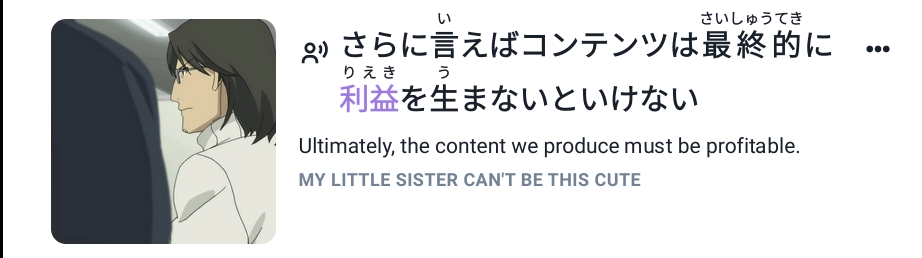


 Japanese Practice・日本語の練習
You must be logged in to post a comment.